HOW TO START 3D PRINTINGBy Lukas Steiner
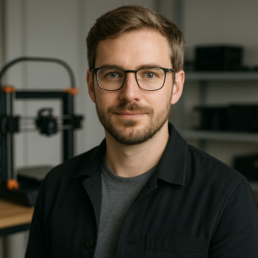
My name is Lukas, and when I think about the beginning of my journey with 3D printing, I do not remember a specific model or a particular software setting first. I remember the atmosphere around that first machine. It sat in a corner of my home on a table that was probably not stable enough, surrounded by a few basic tools, some filament spools and a growing number of printed objects that I did not yet know where to put. The printer itself was noisy by today’s standards, and every movement of the motors seemed exaggerated, almost mechanical in the most literal sense of the word. I could hear it from the next room, and in those first weeks I would often walk back just to check whether the print was still moving in the right direction.
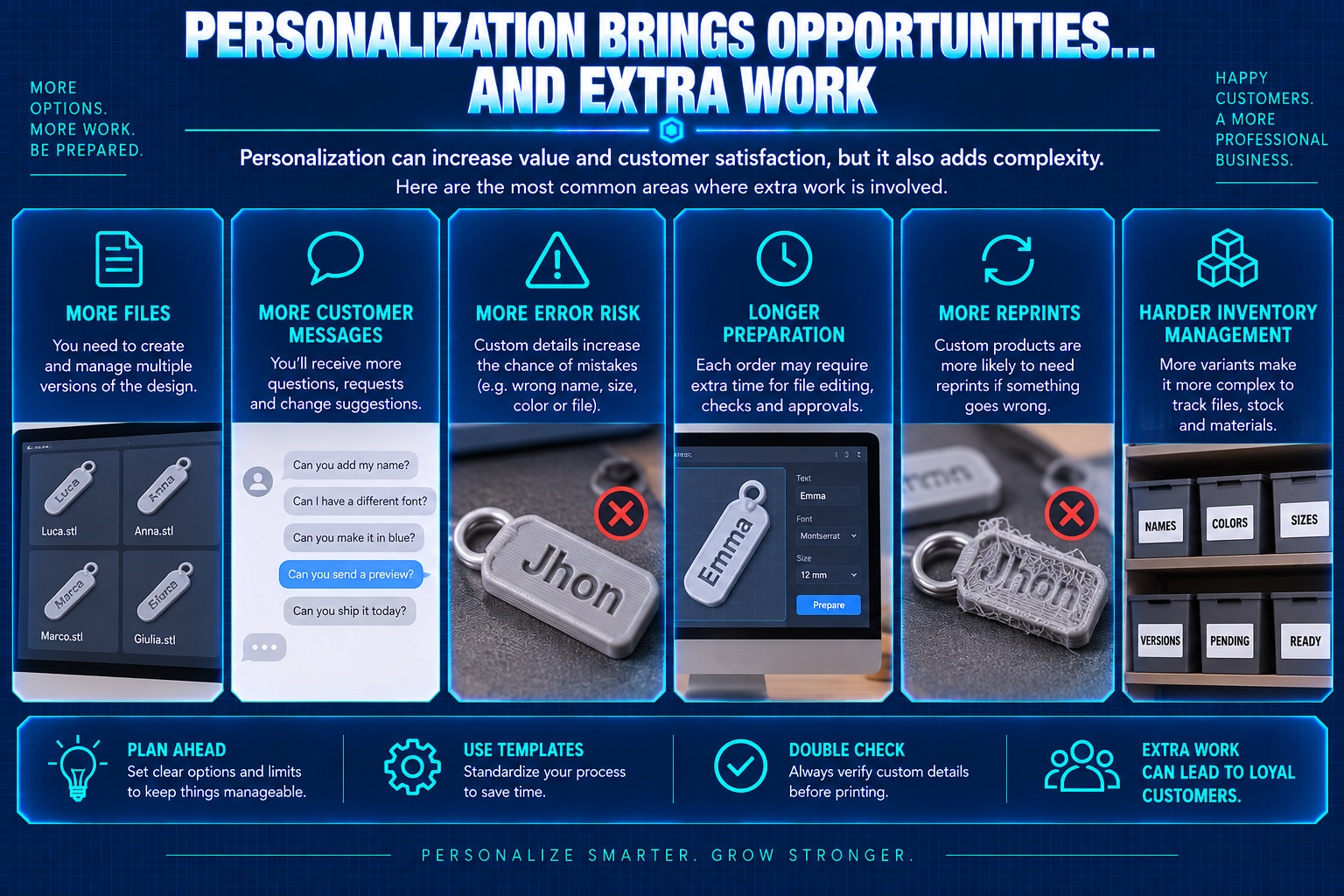
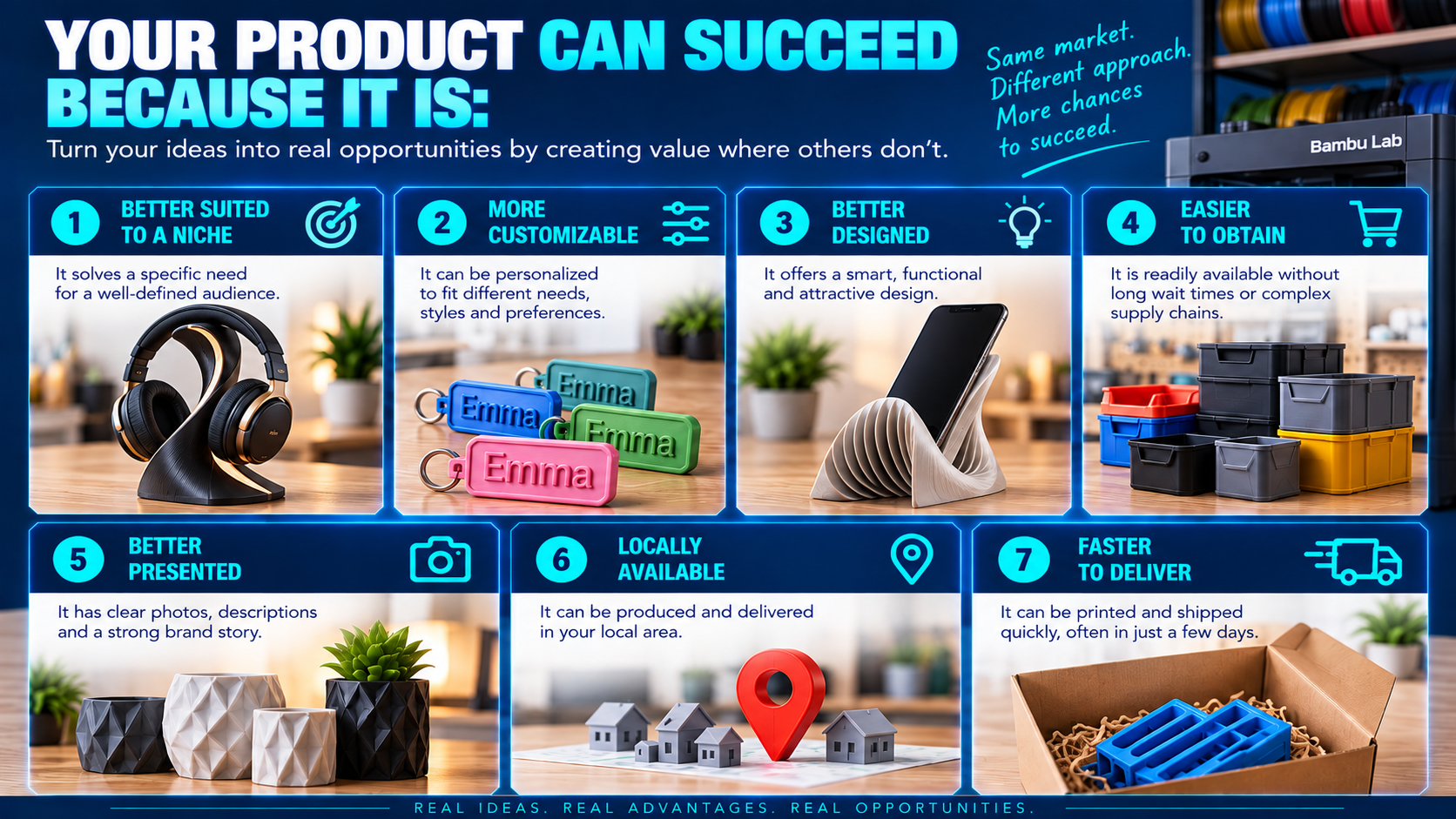
The first objects I made were simple. One of them was a key ring with my name on it, the kind of project almost every beginner tries because it is small, easy to understand and immediately personal. I still remember removing it from the build plate while it was slightly warm. The surface was not perfect, the edges were rougher than they should have been and I would probably reject the same print today, but at that moment none of that mattered. What fascinated me was the fact that something that had existed only as digital geometry a short time before was now a real object in my hand.
That experience was enough to make me want to understand more.
That question became the foundation of my second book, How to Master the 3D Printing Craft. This time, my focus moved from the business model to the craft itself and to the community around it. I wanted to understand how successful makers think, how they develop products, how they use materials, how they build a recognizable style and how they transform a technical process into something creative and personal.
Through that work, I became even more convinced that 3D printing is not really about machines. The printers matter, of course, but they are only the tools. The real story is about the people who use them to solve problems, create products and develop new forms of making.
The more I explored that world, the more obvious it became that there was still one missing book.
The first had focused on business.
The second had focused on the craft, the ecosystem and the people shaping it.
But neither of them began with the reader who was still standing at the very beginning of the journey.
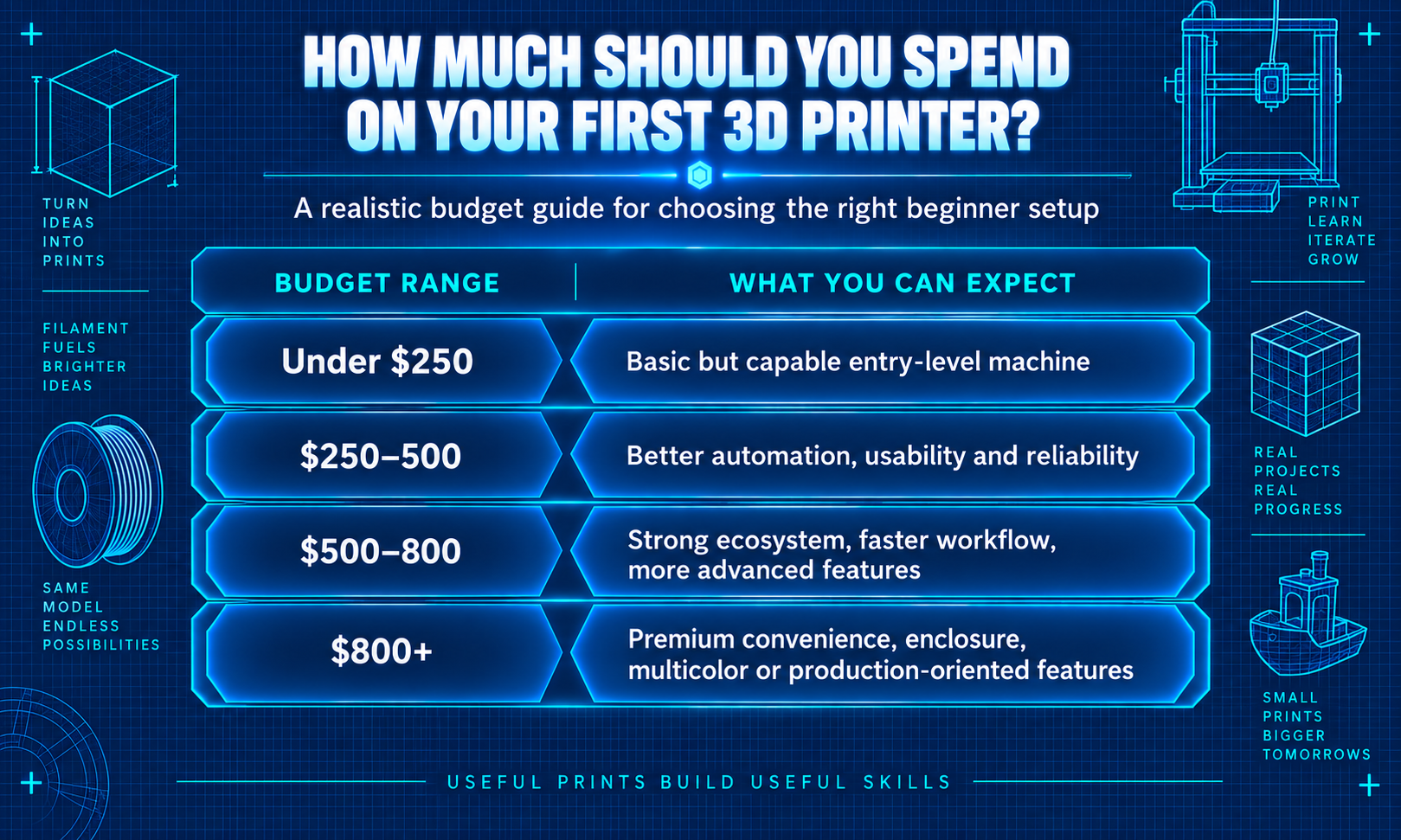
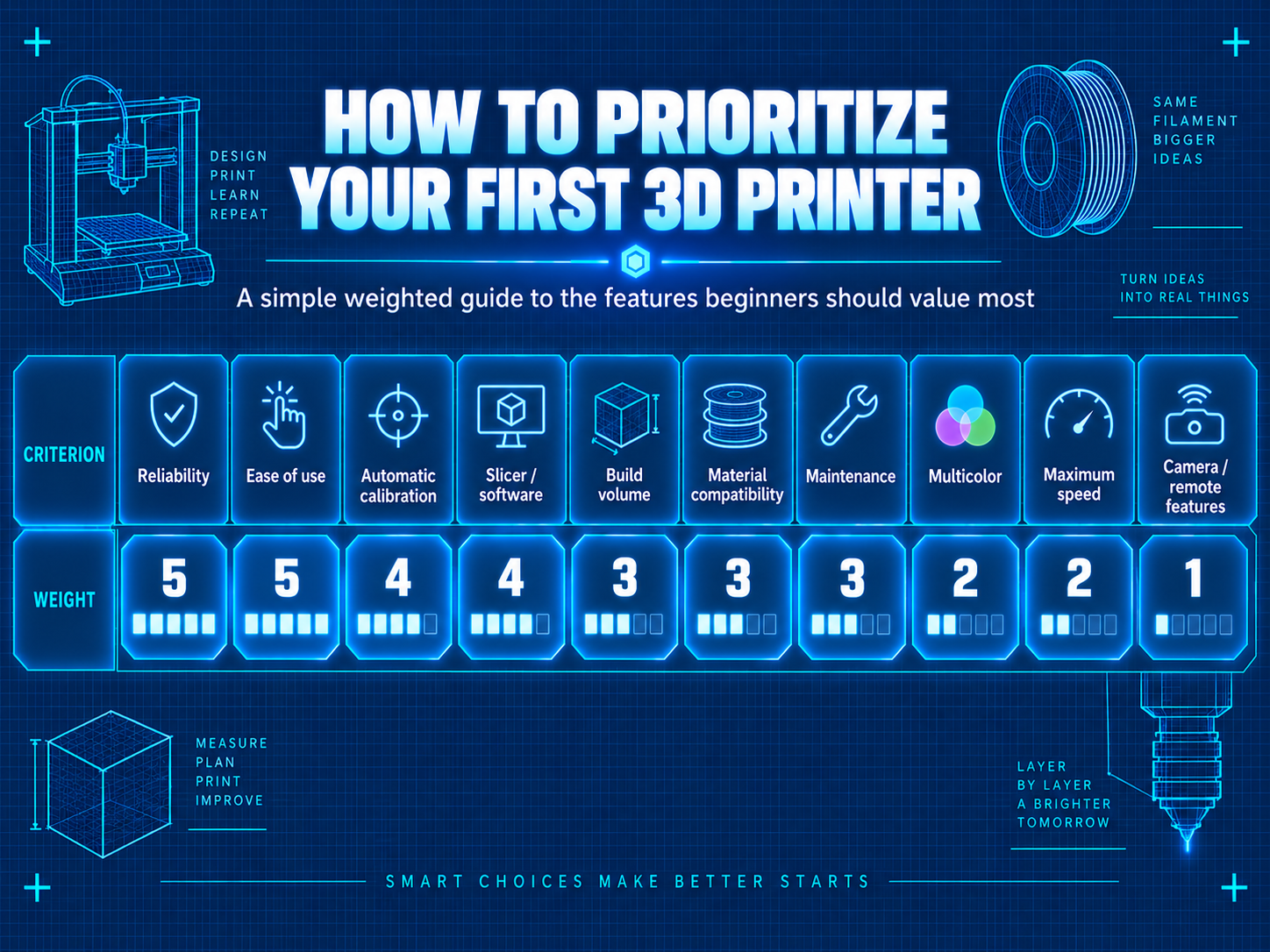
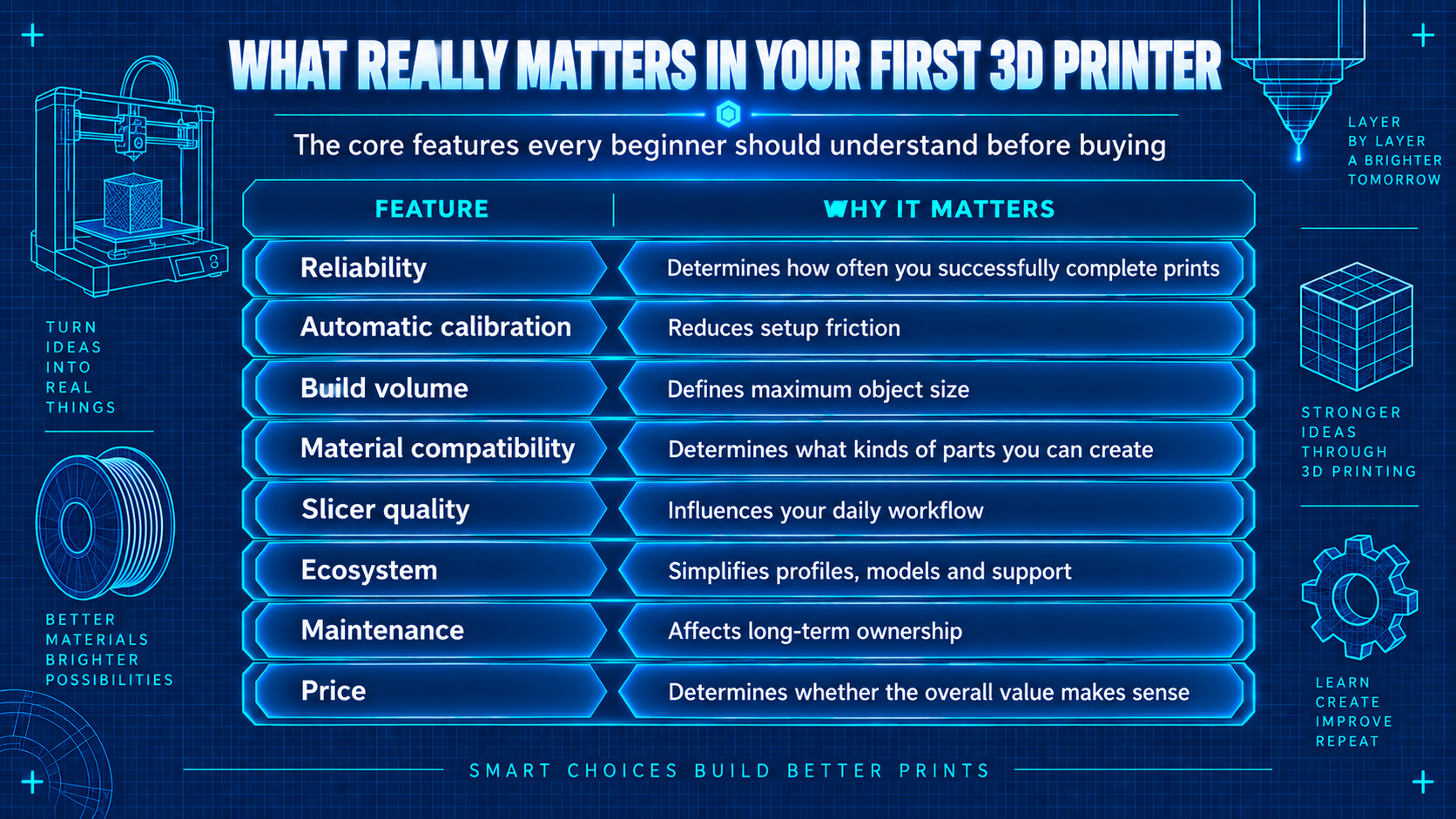
The person comparing their first printer online.
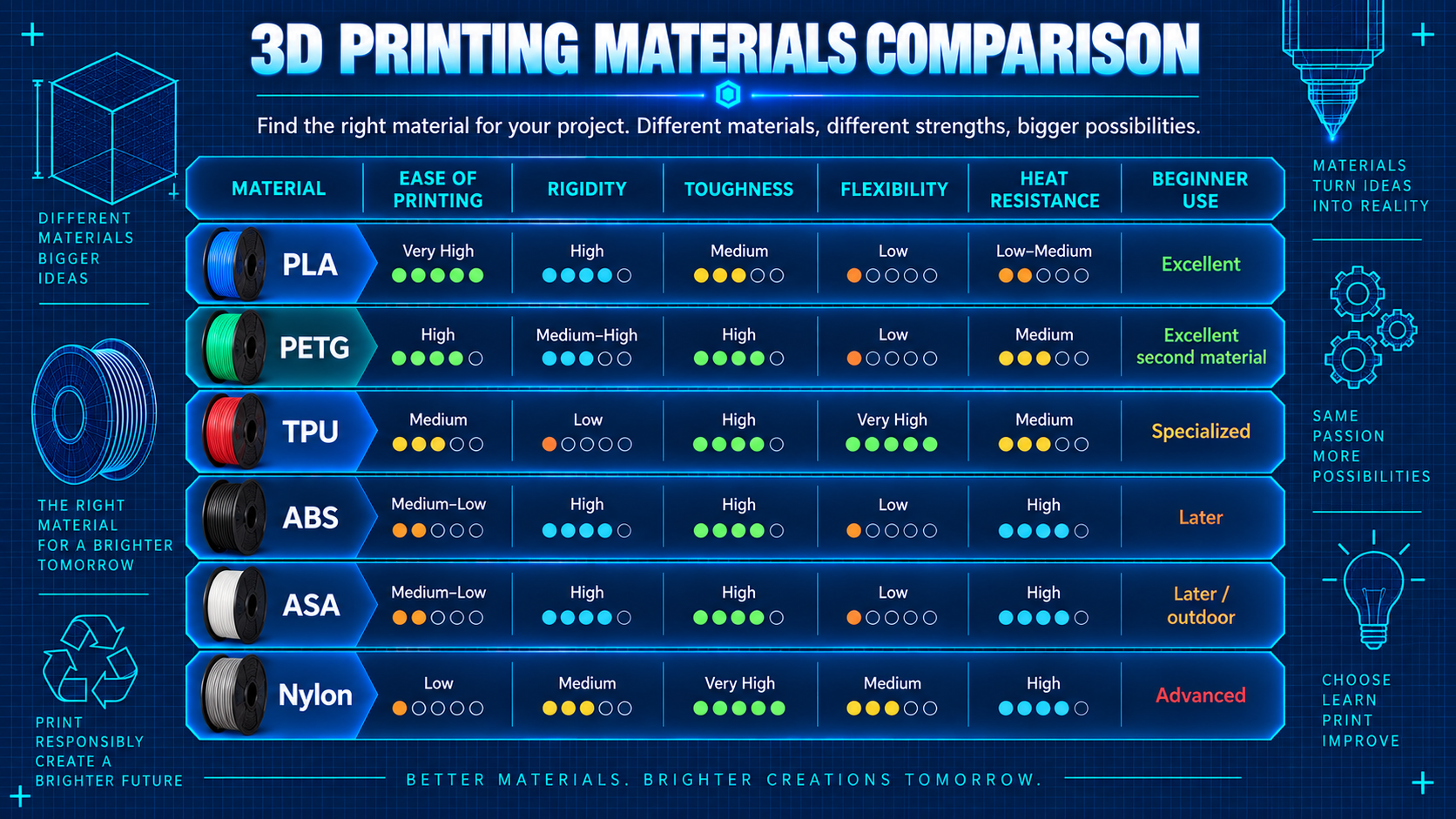
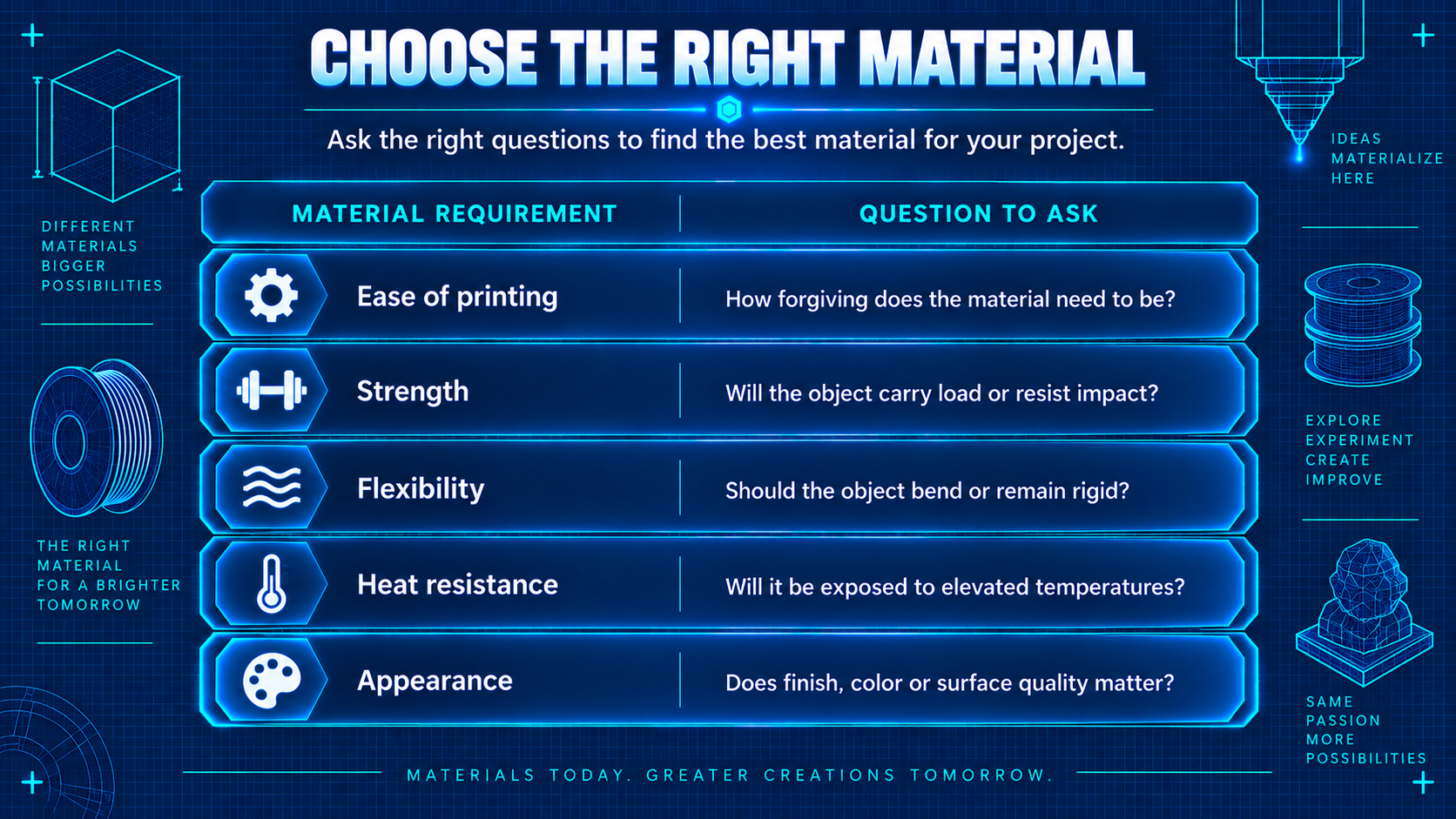
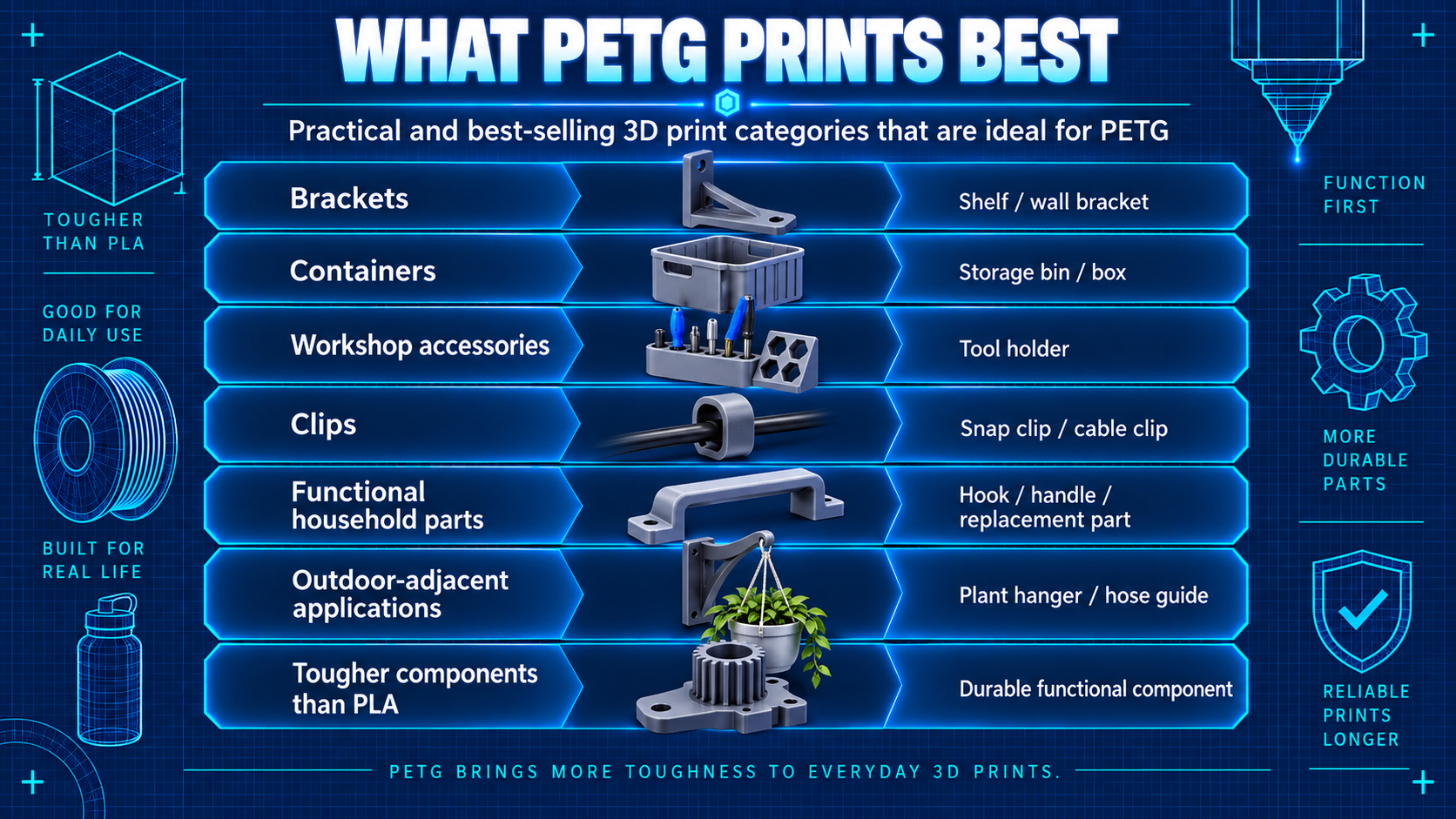
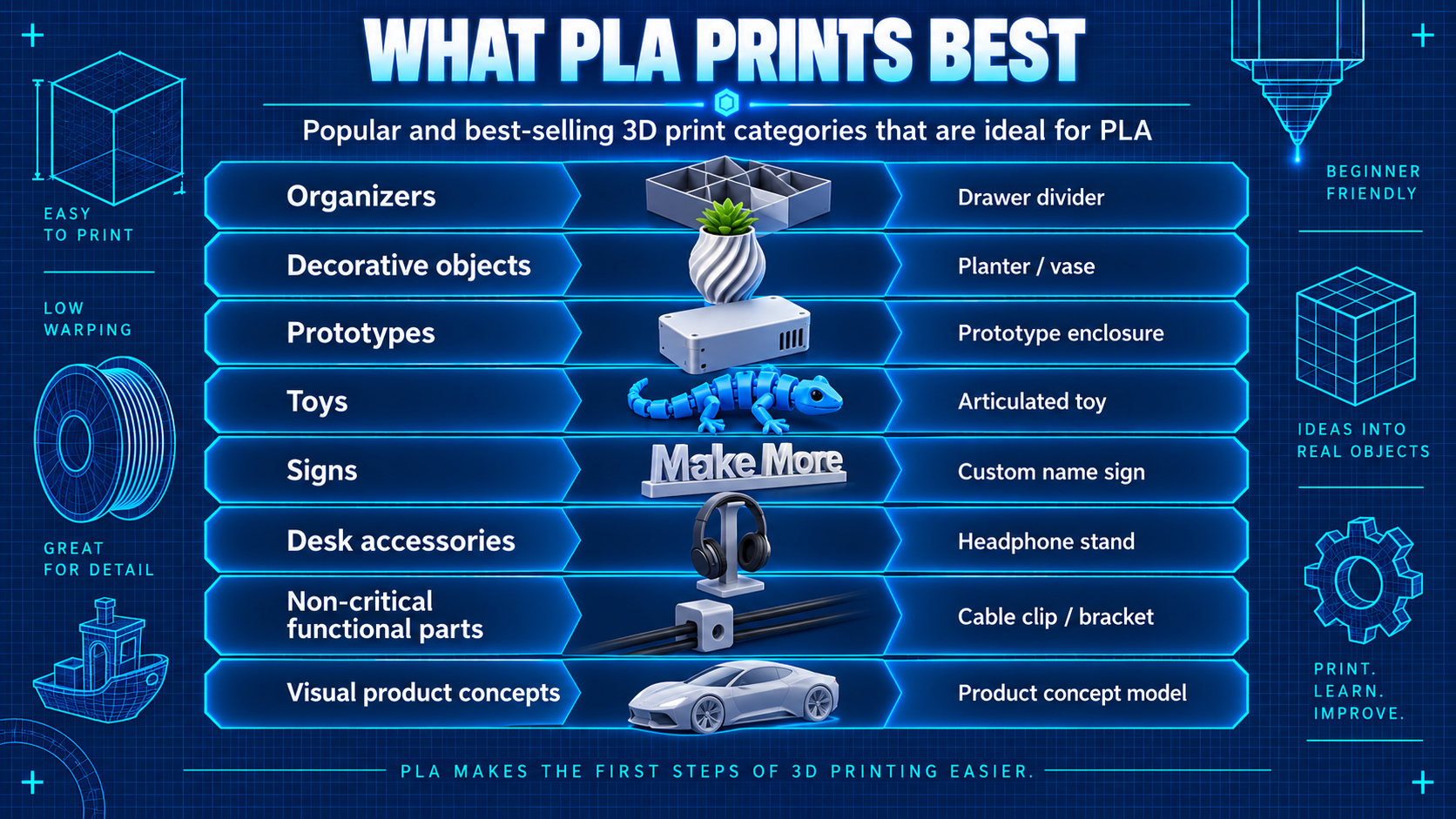
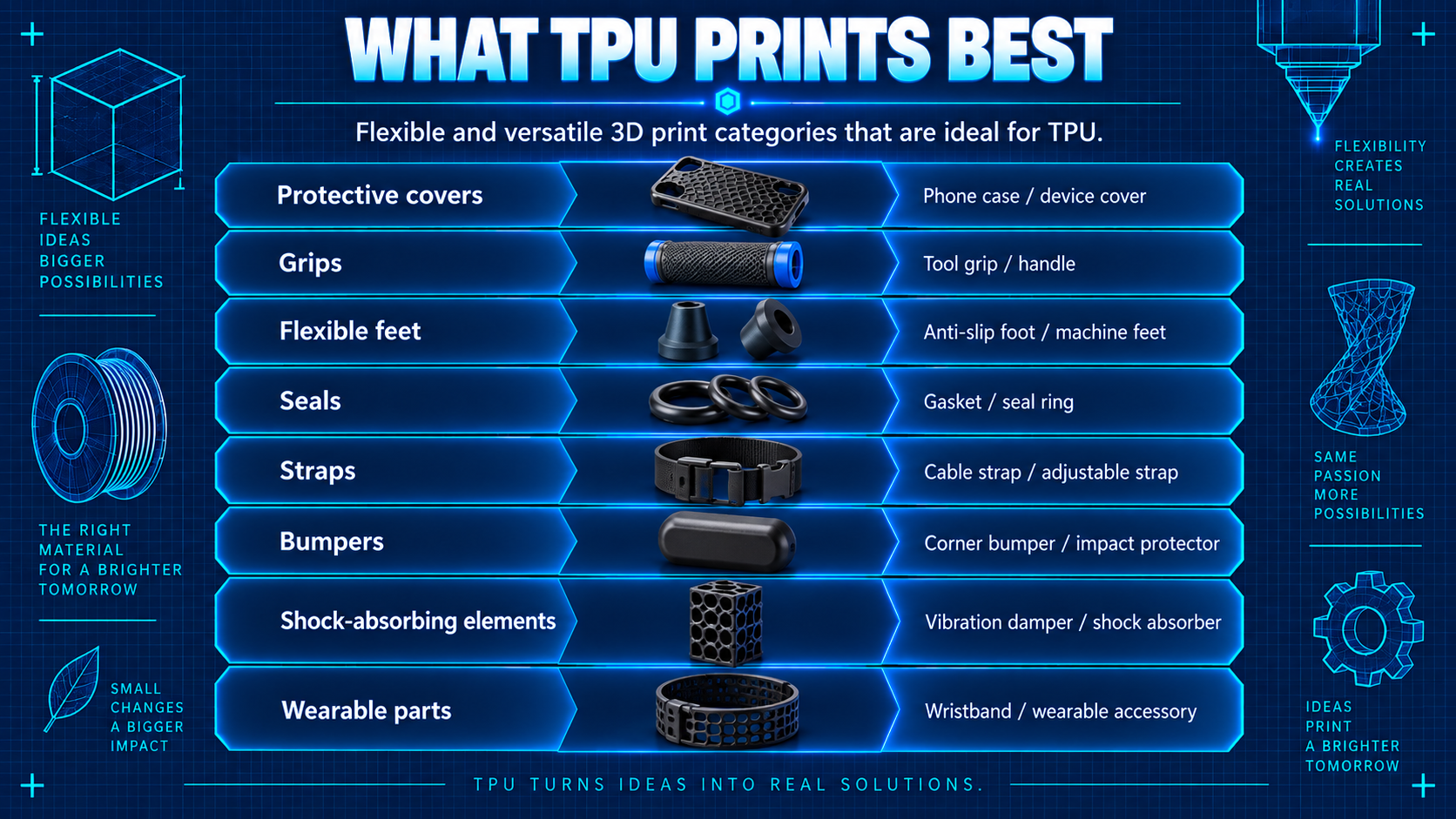
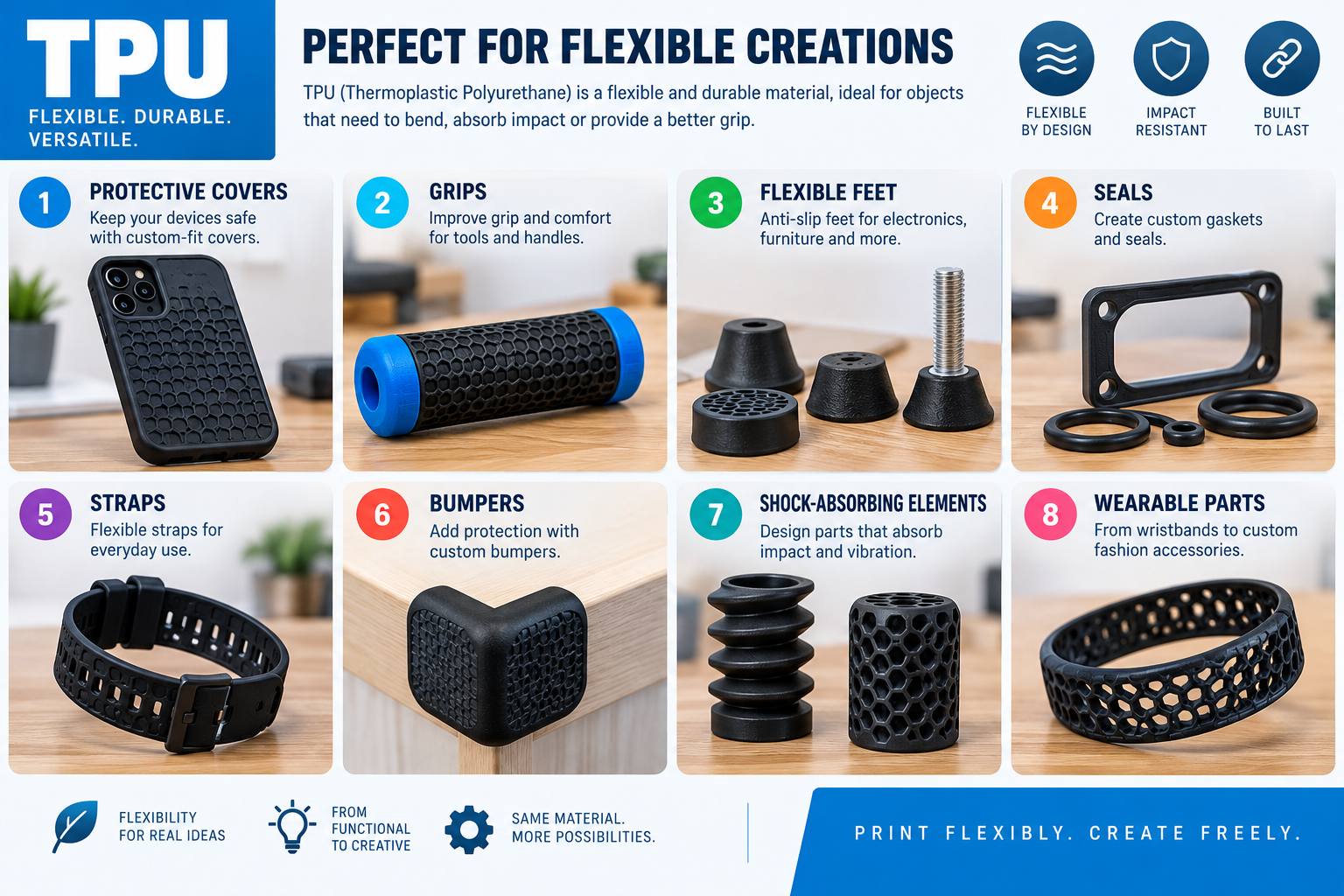
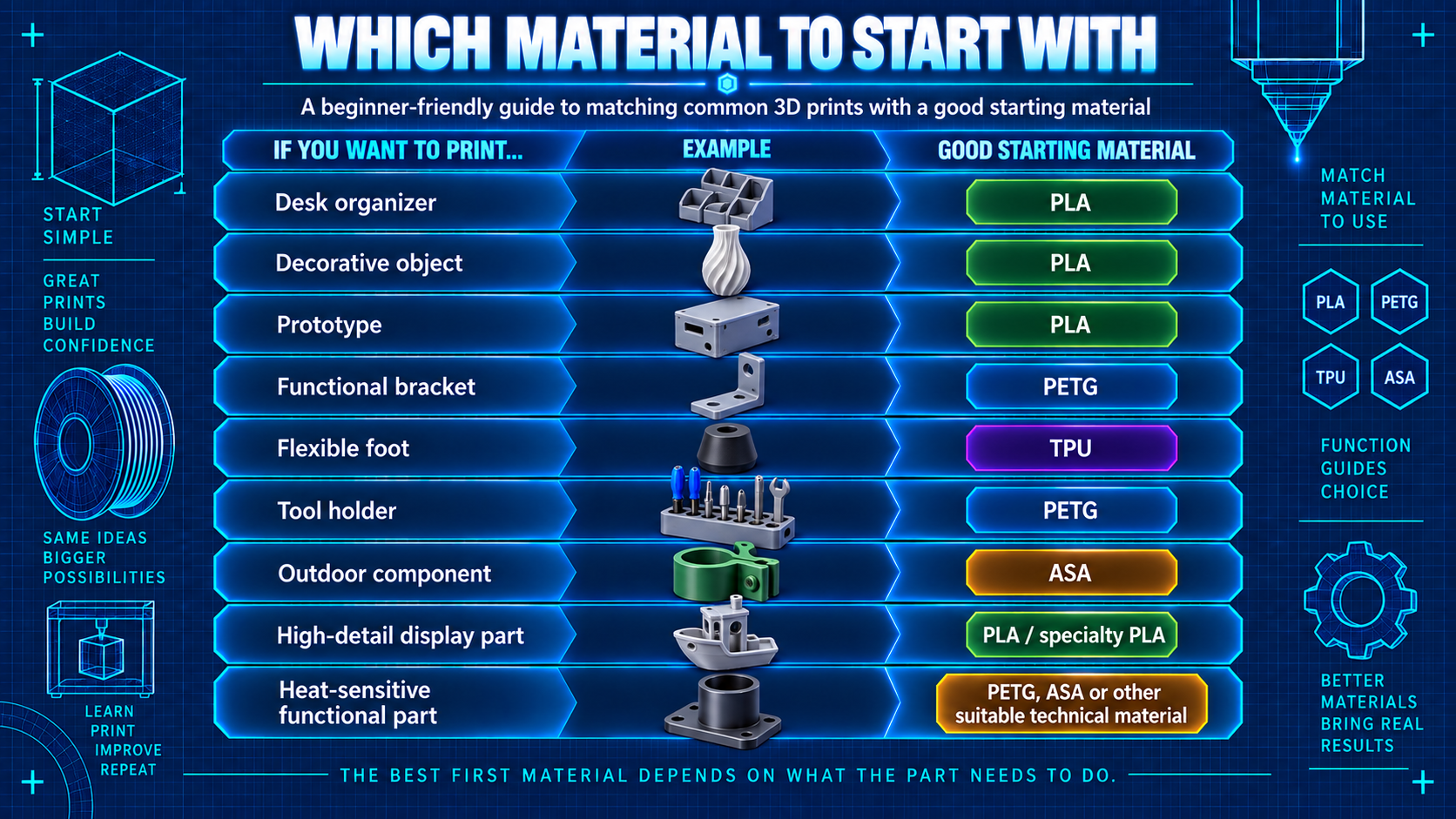
The person who had heard of PLA but did not yet understand why PETG or TPU might be useful.
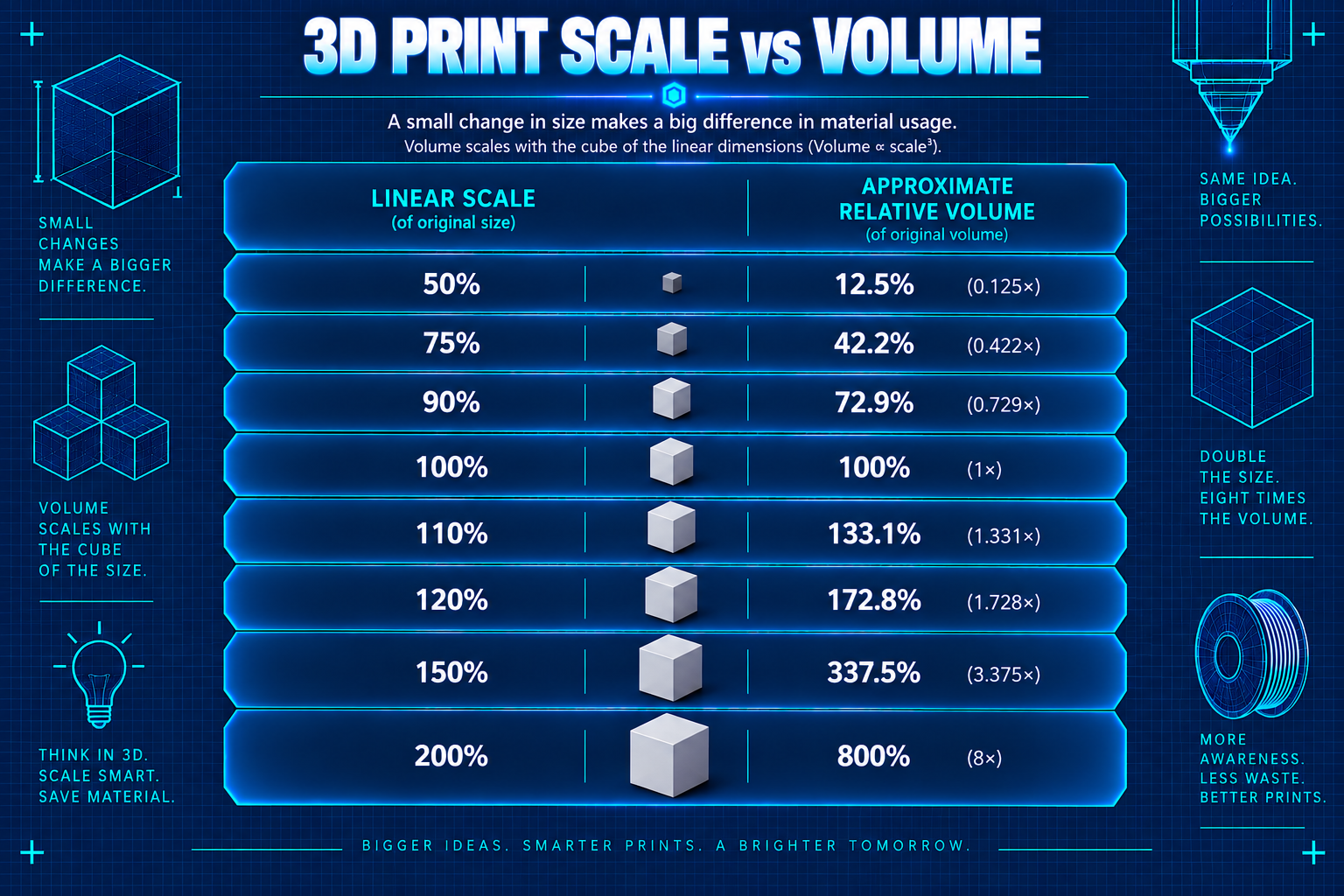
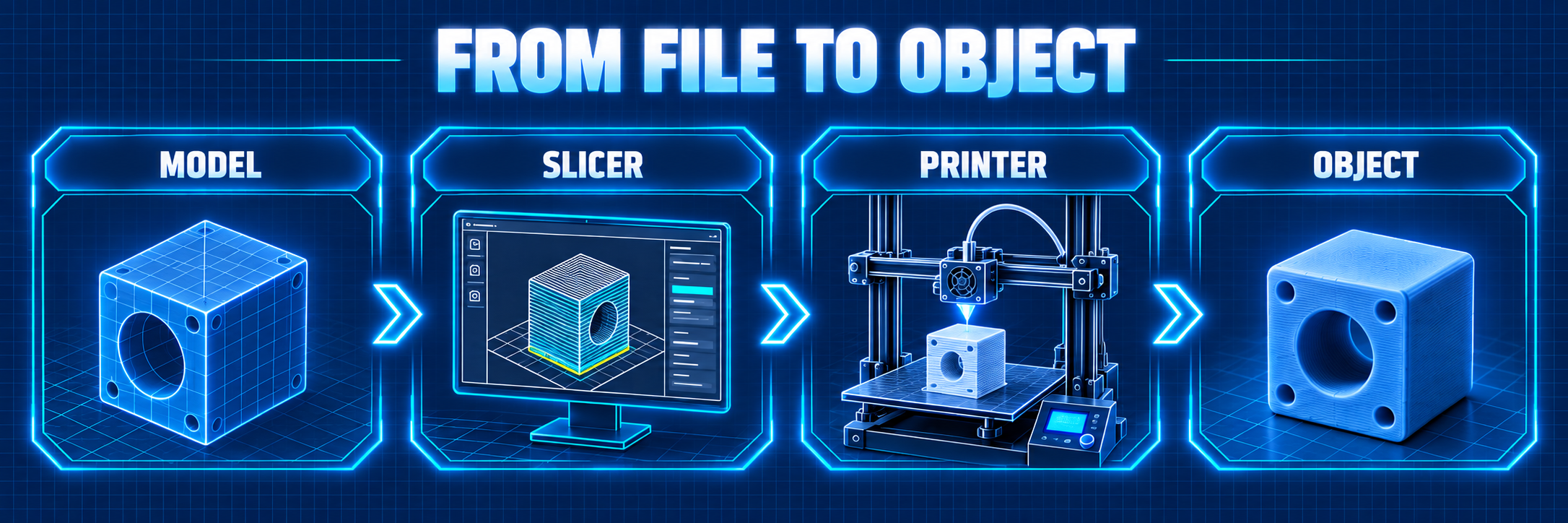
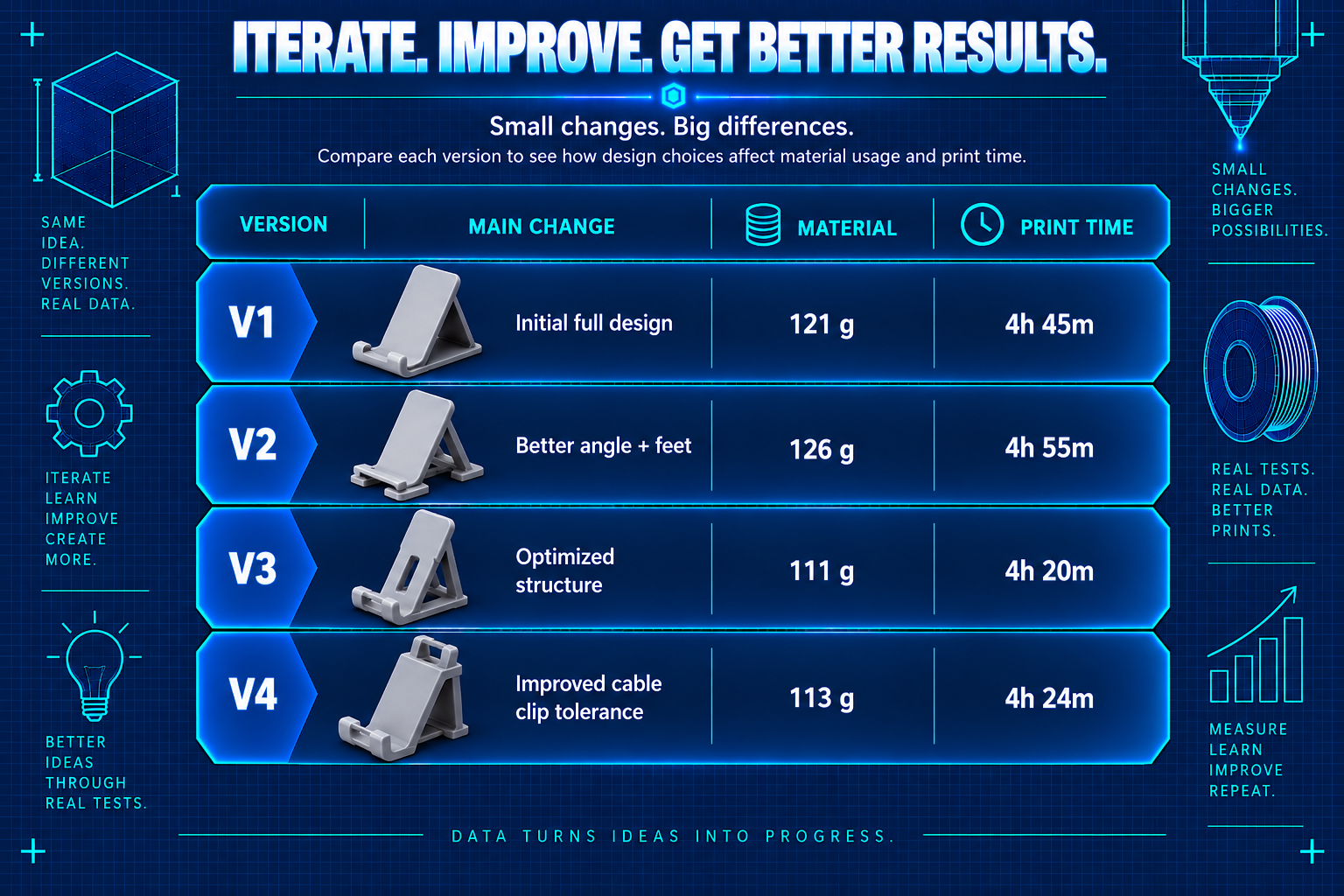
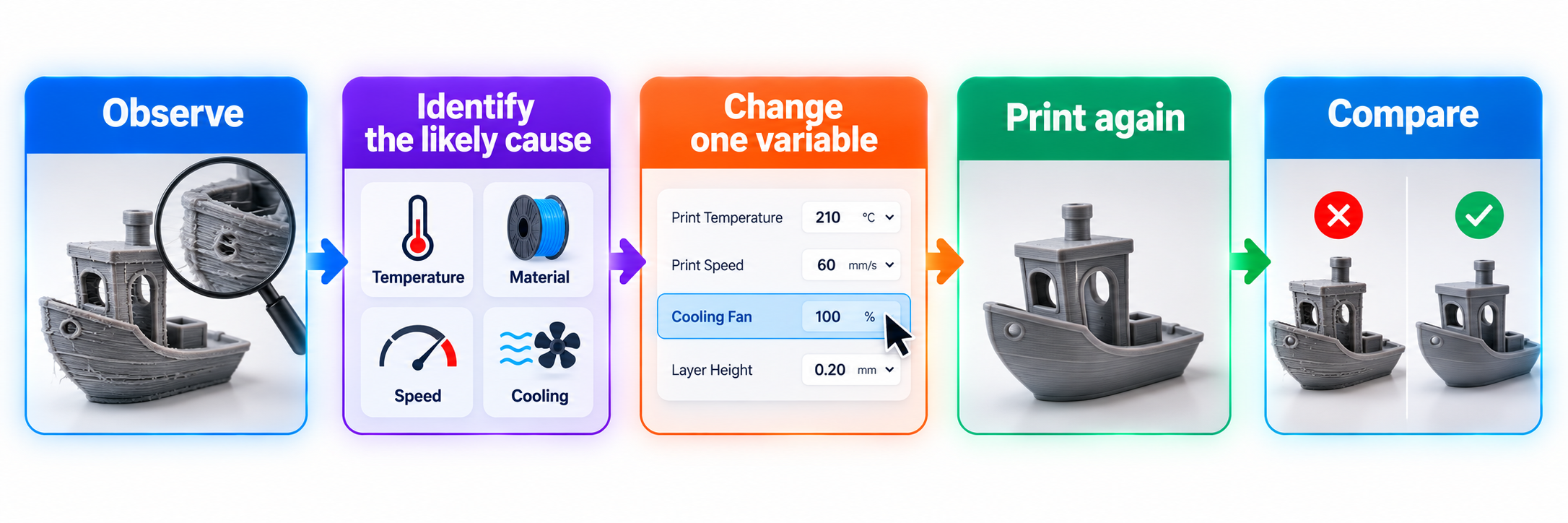
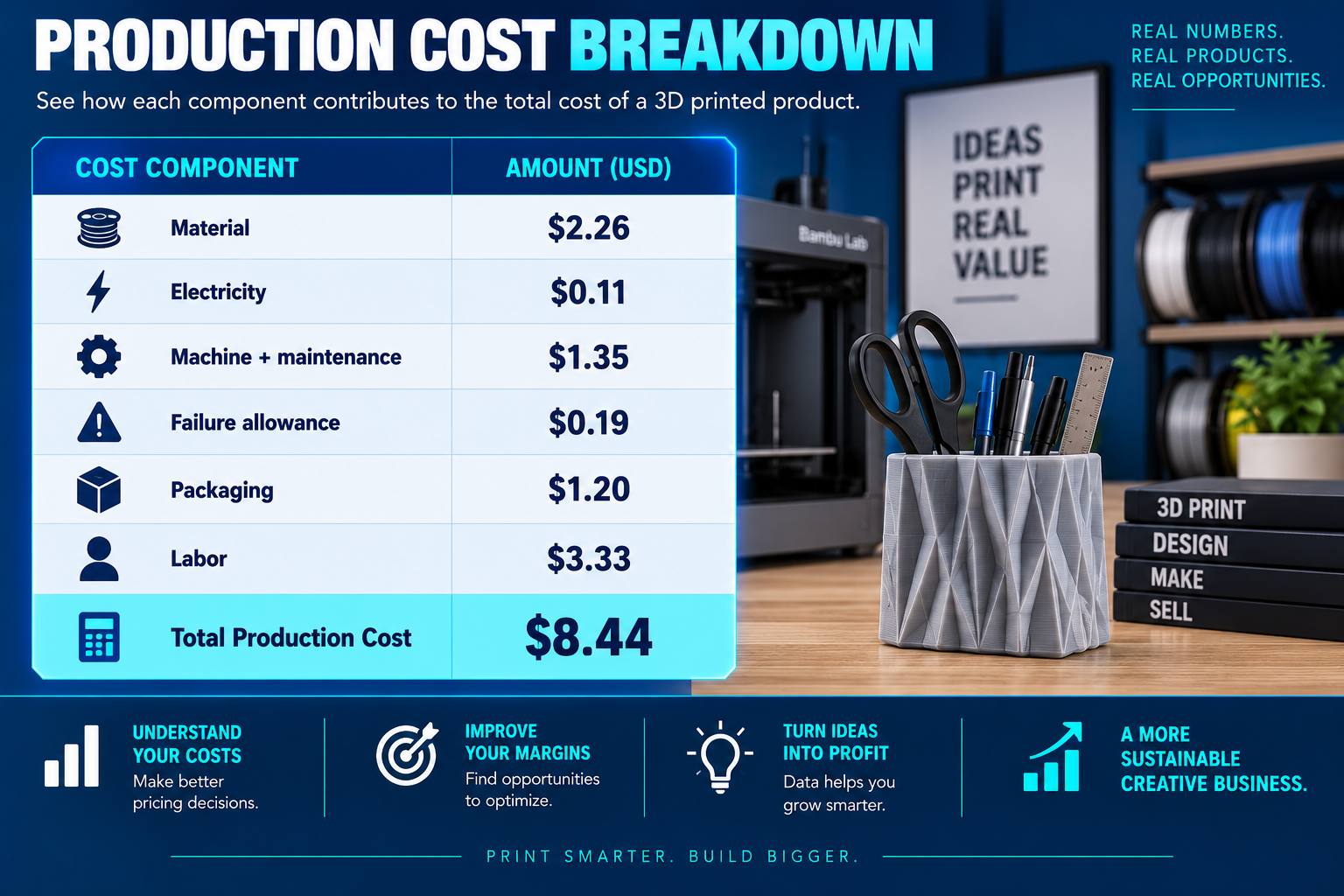
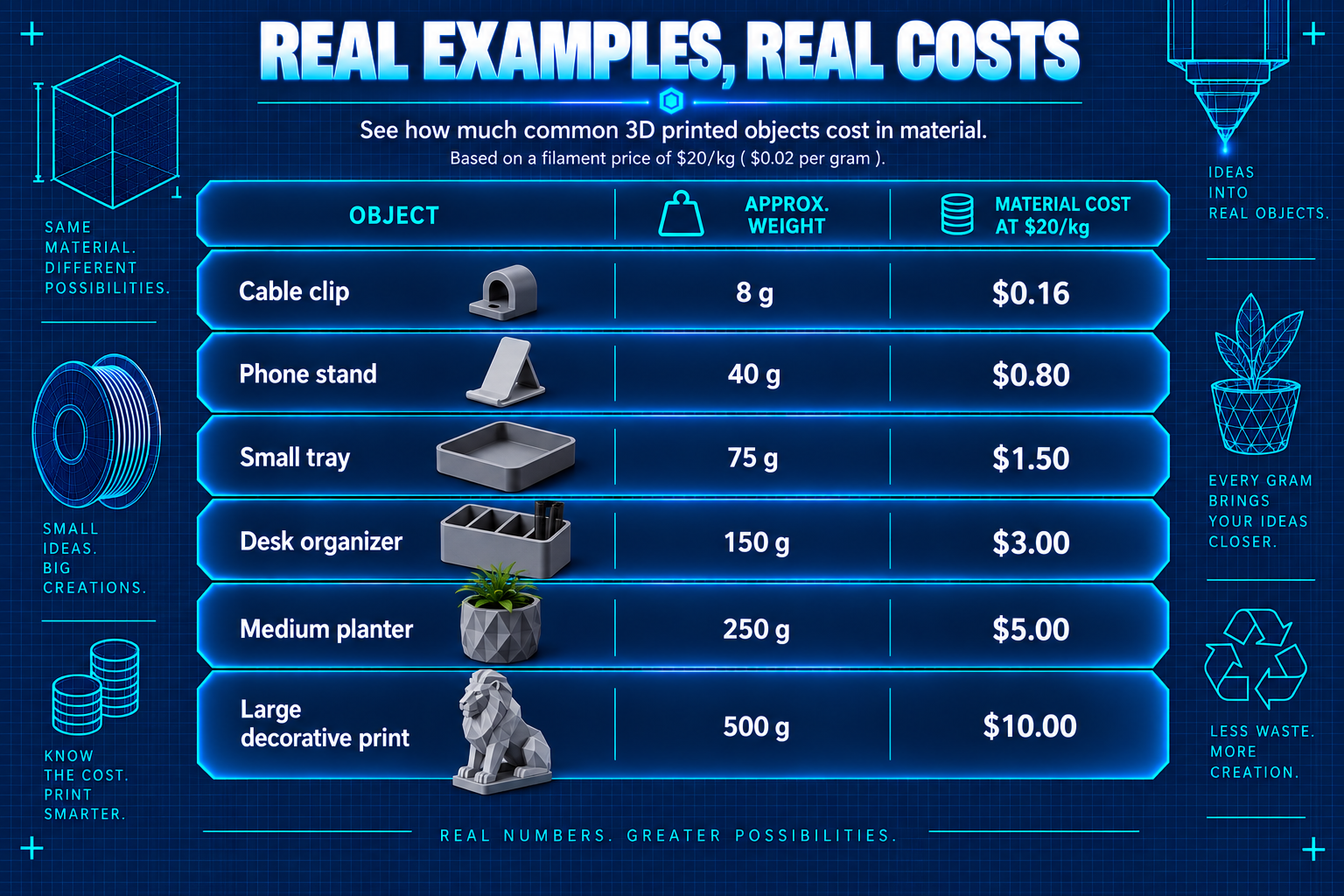
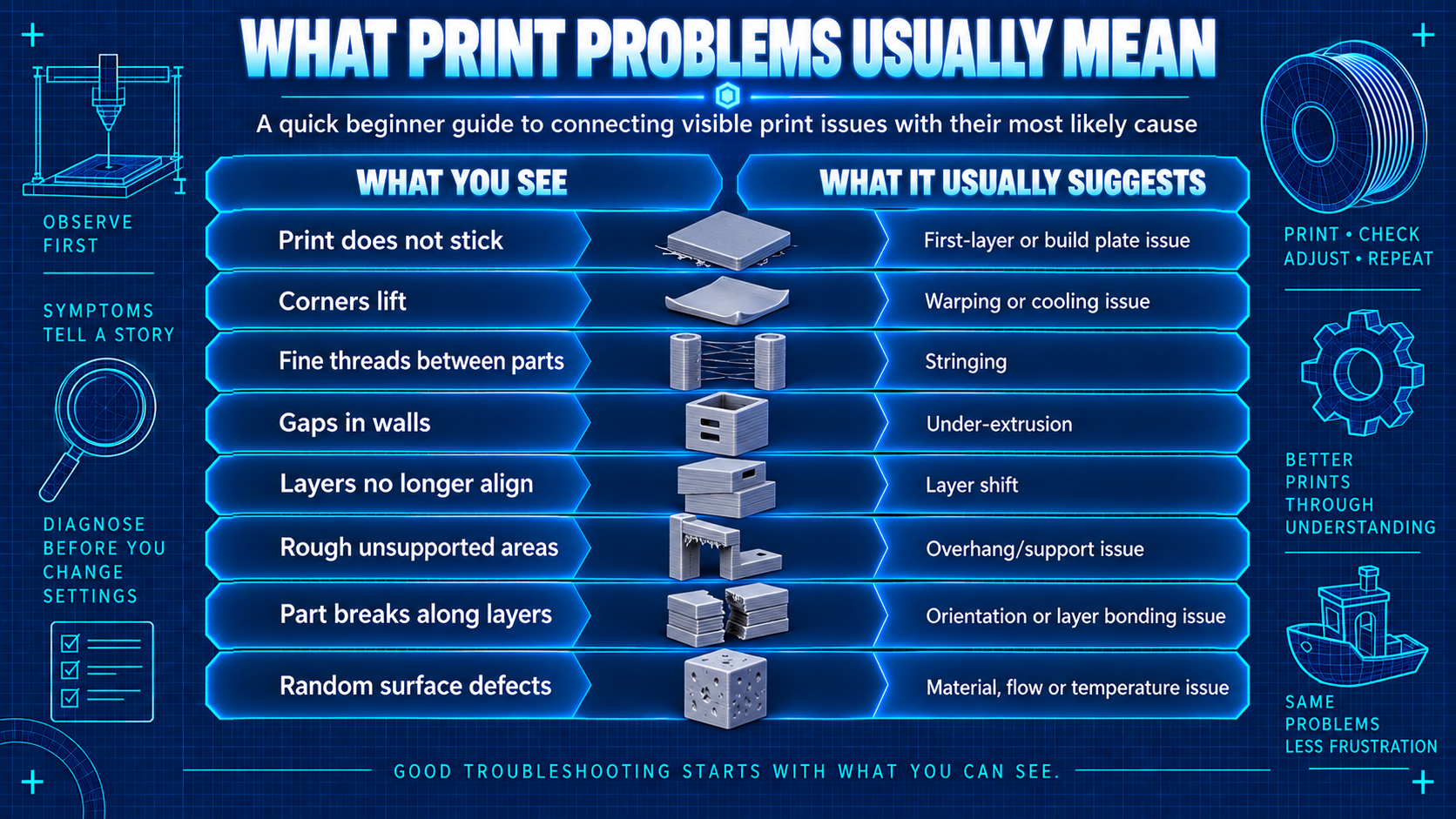
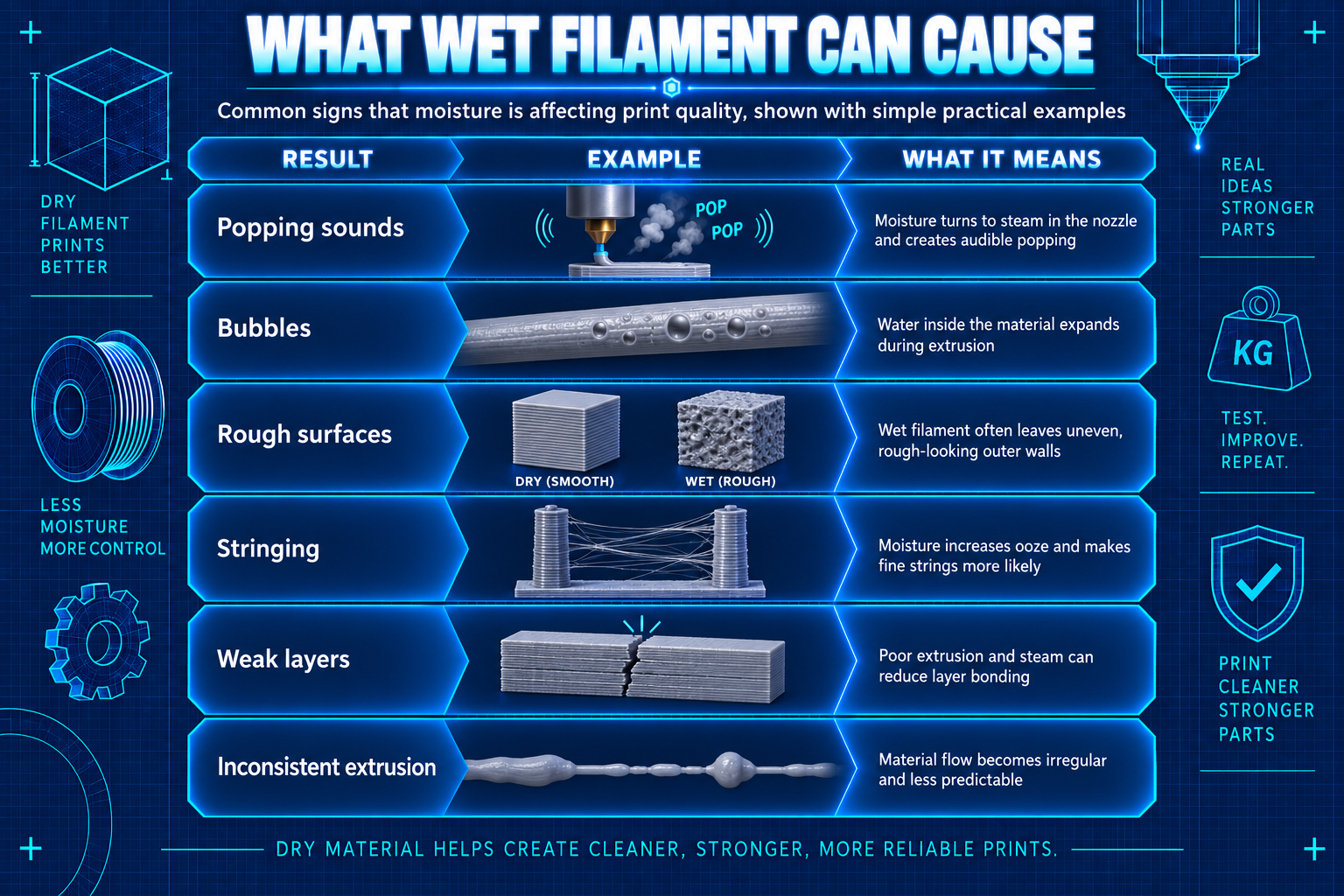
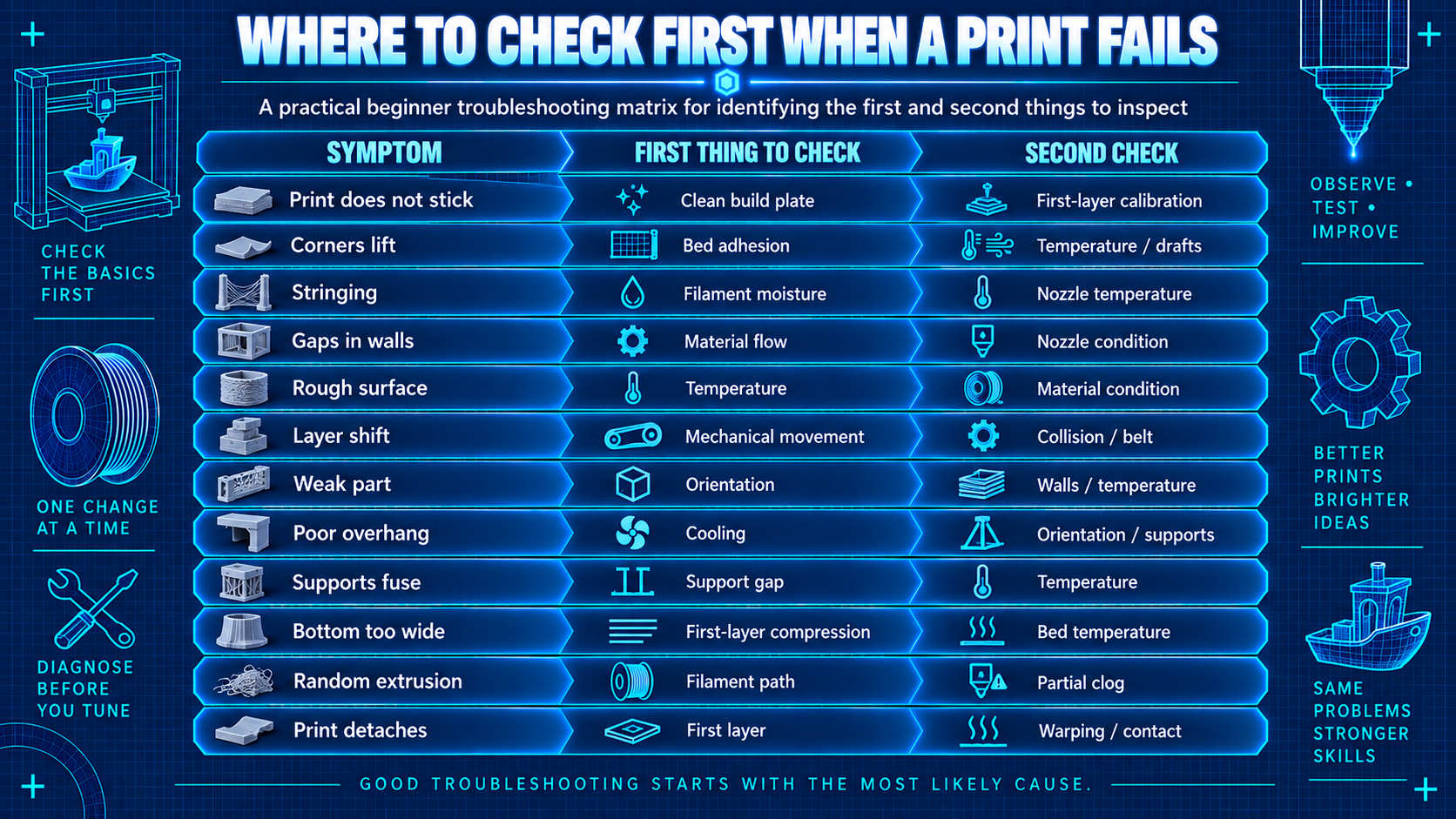
The person who was trying to understand what a slicer does, how much filament a real object consumes, whether an enclosure is necessary or why the same print can succeed once and fail the next time.
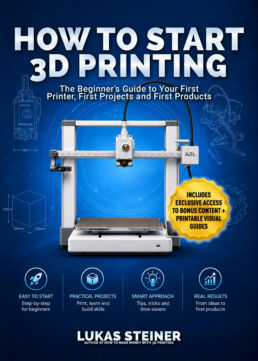
That is the reader I wanted to write for in How to Start 3D Printing.
Available on Amazon at link.
AUTHOR
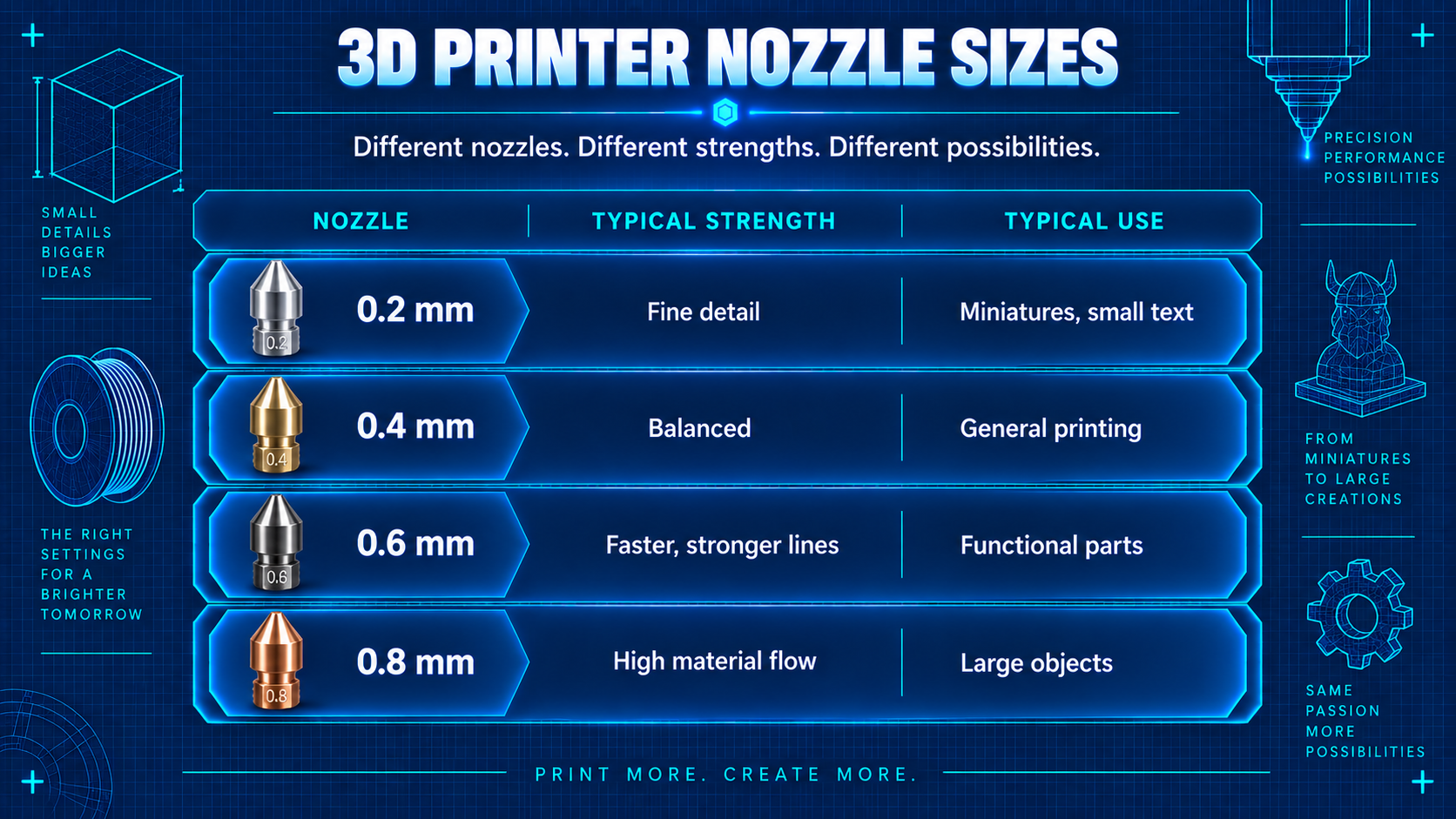
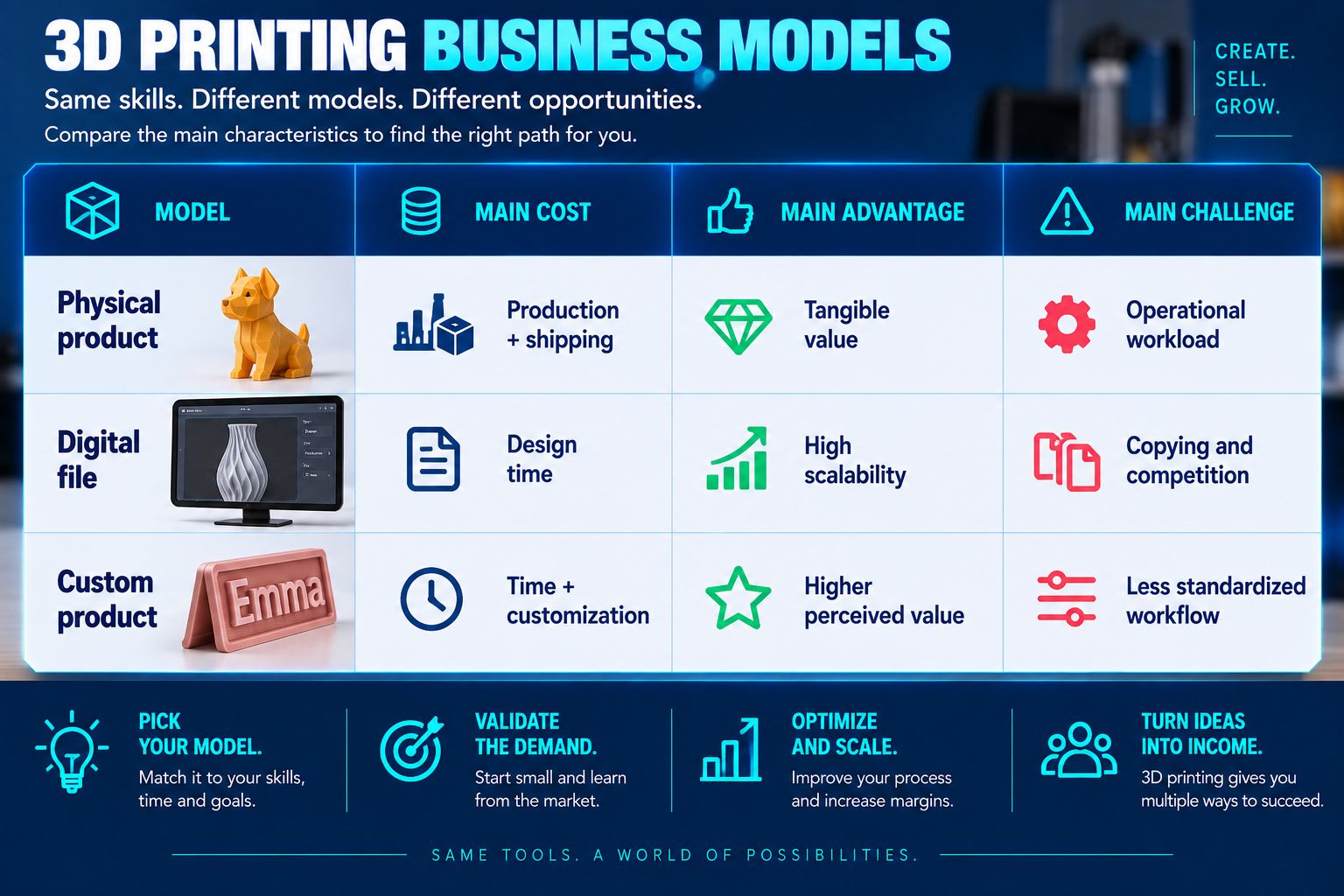
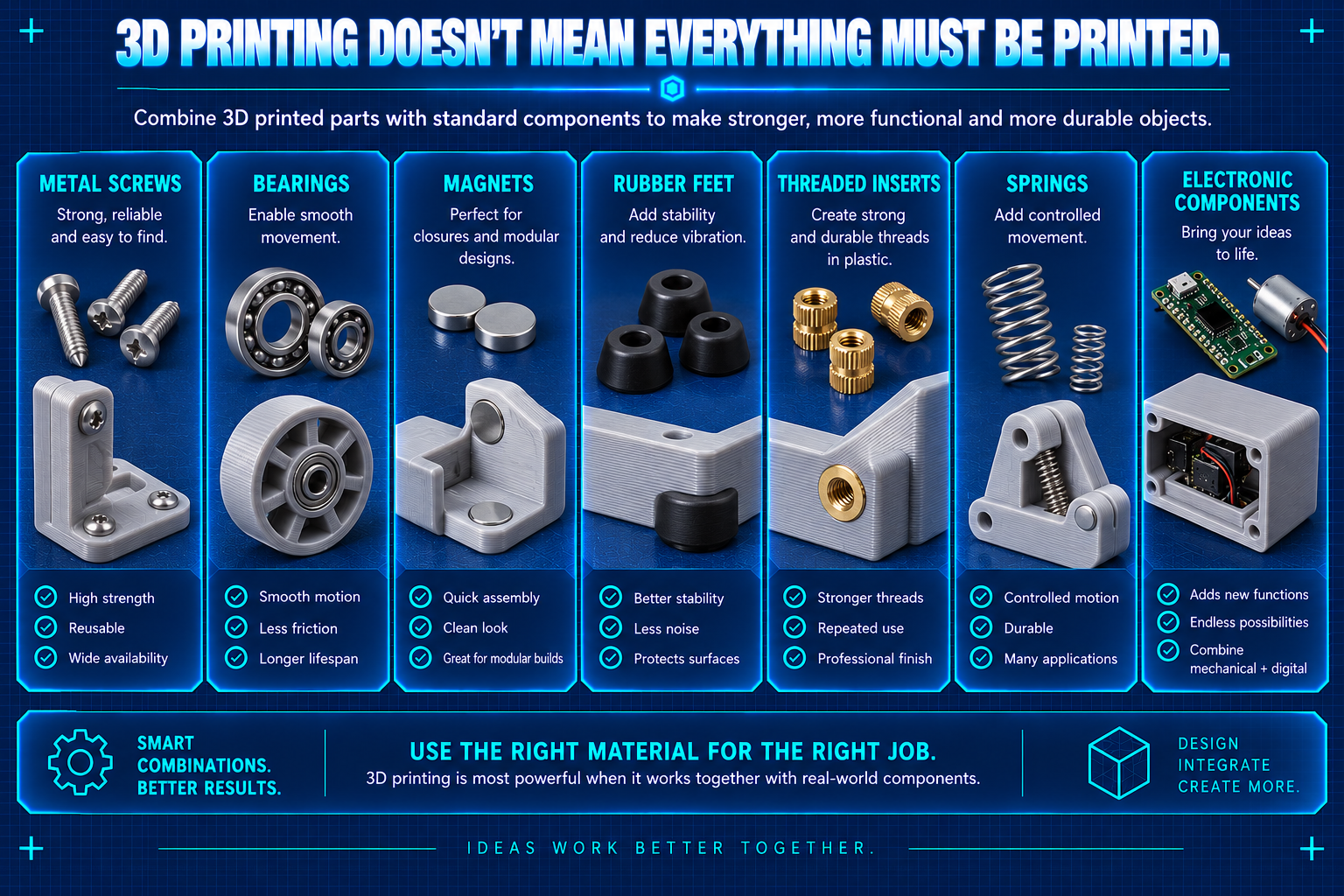
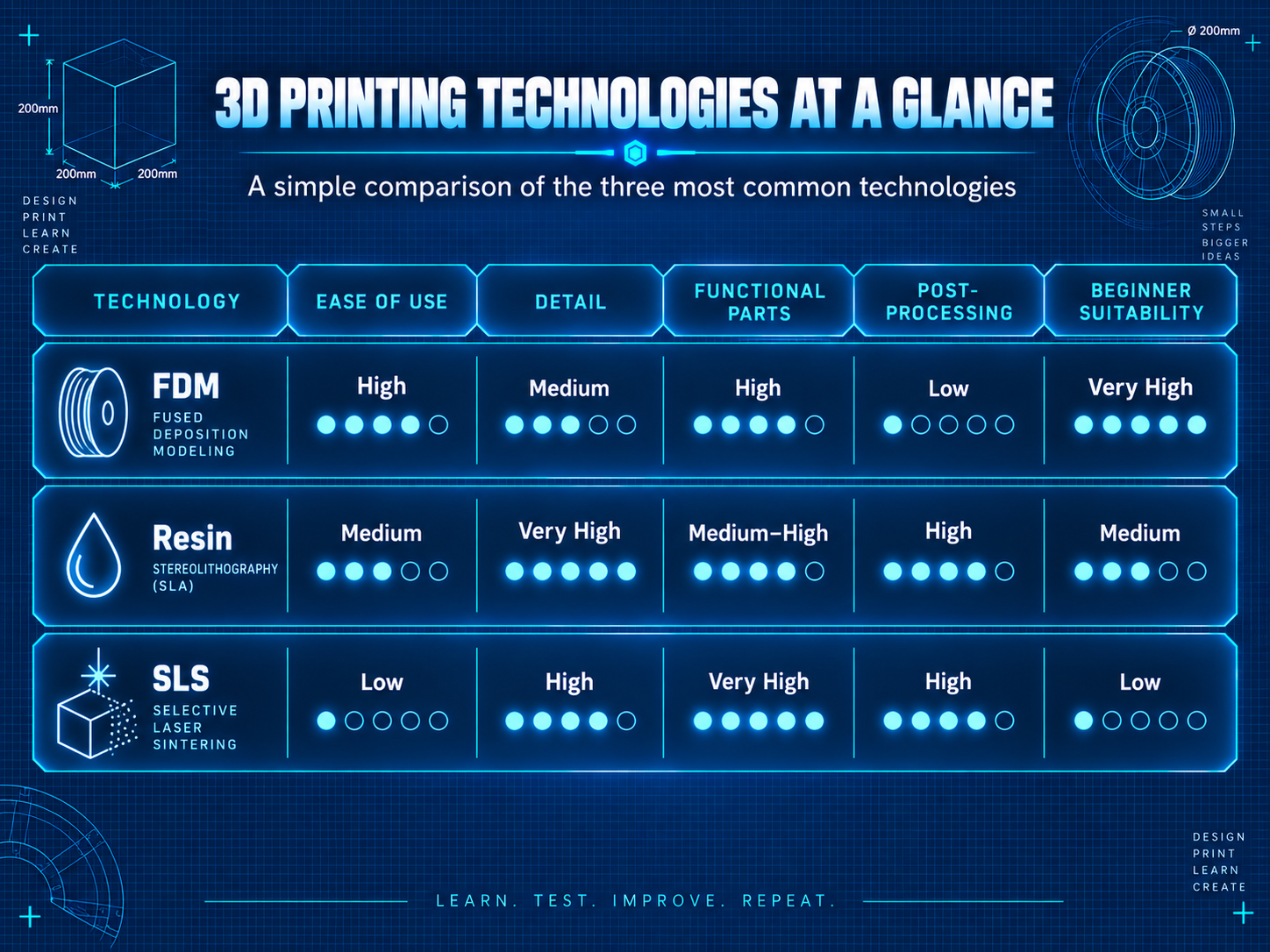
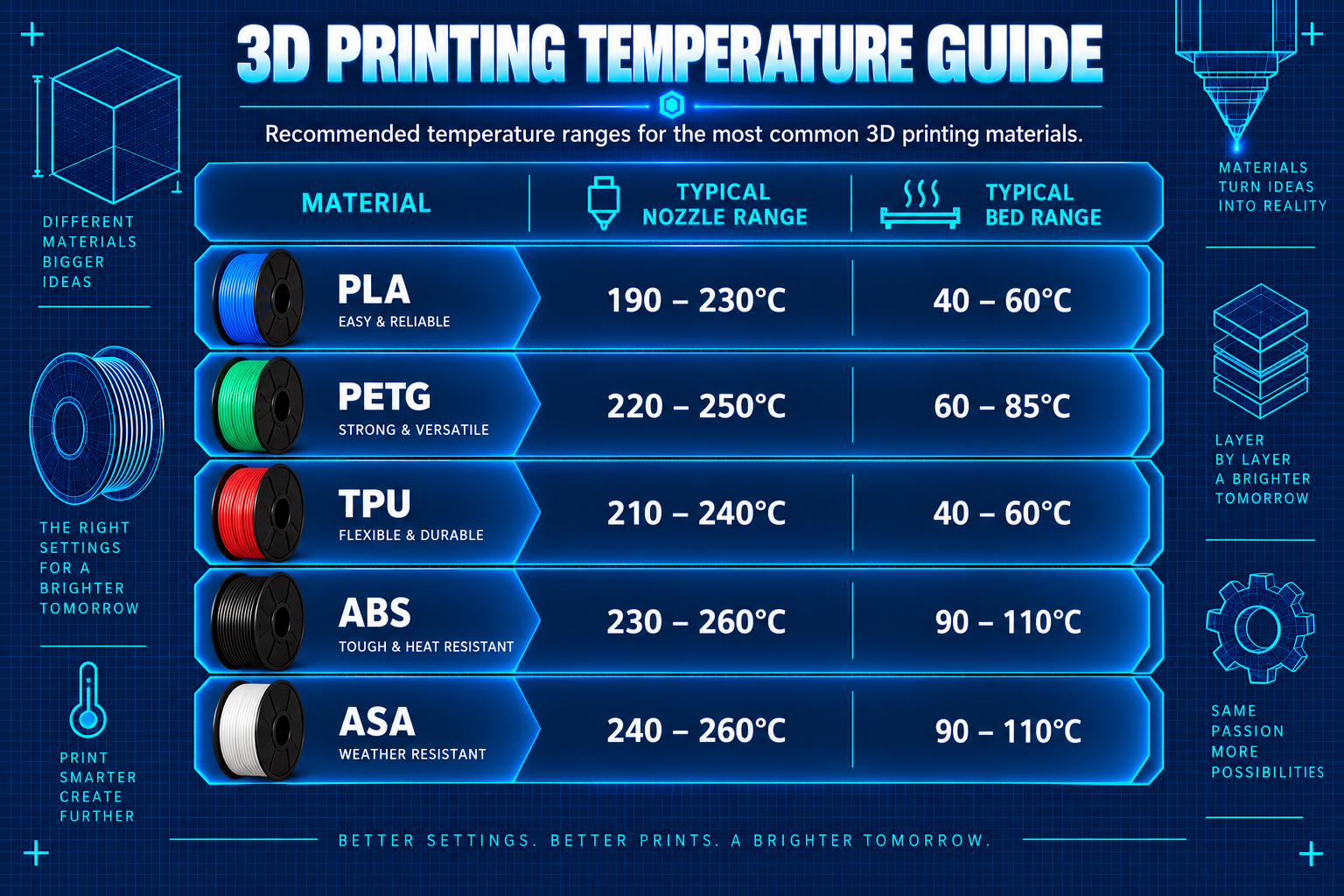
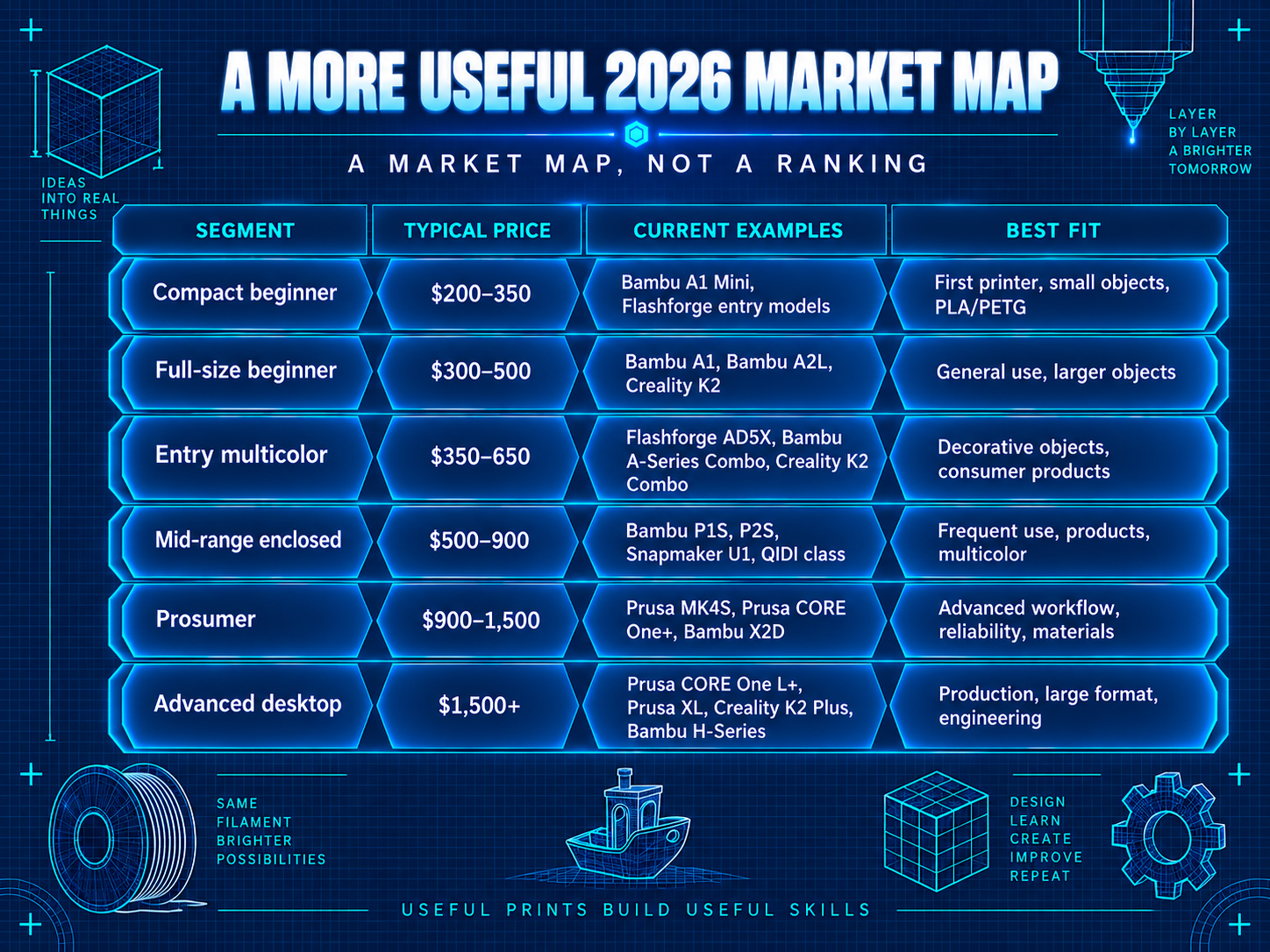
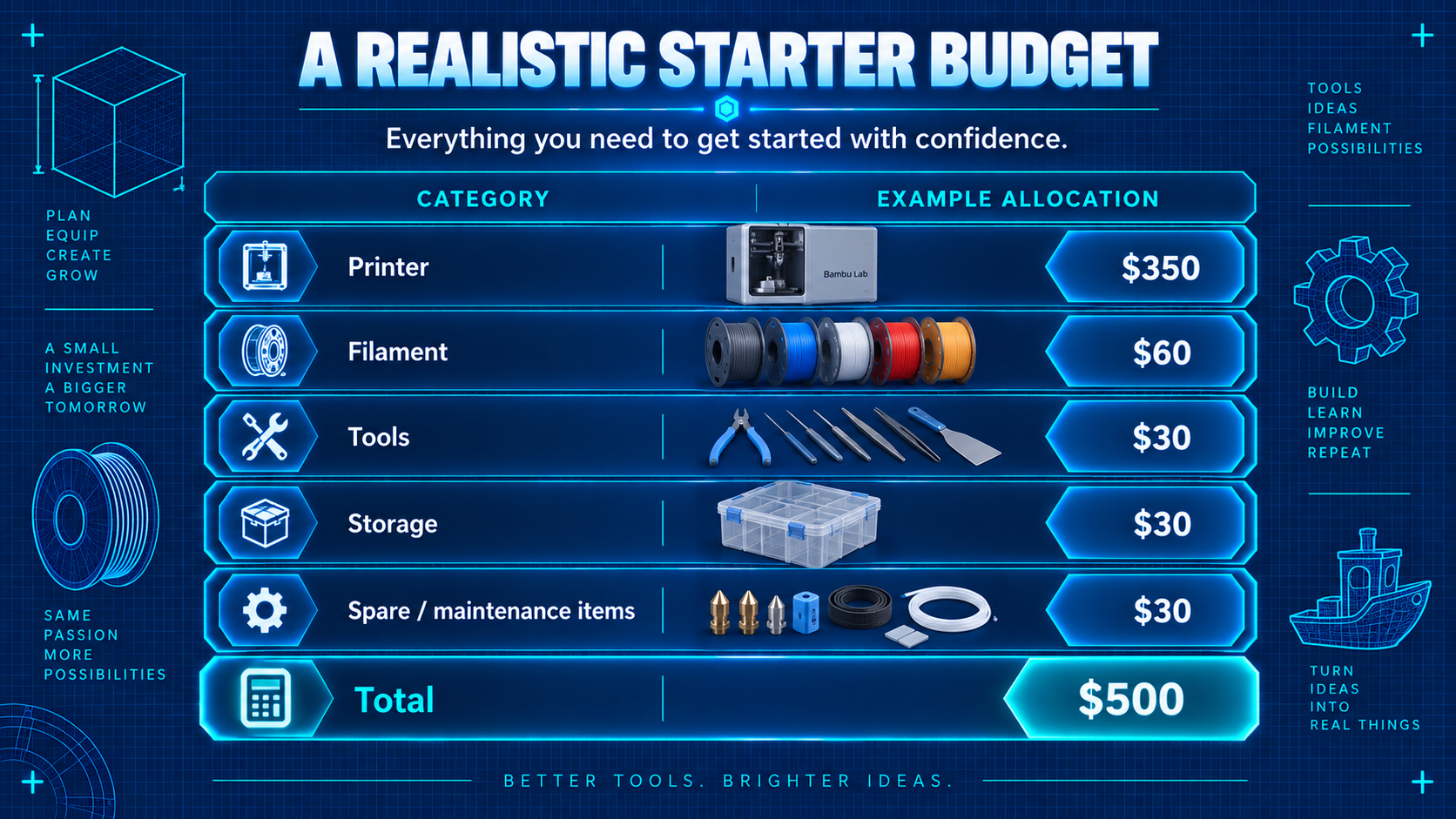
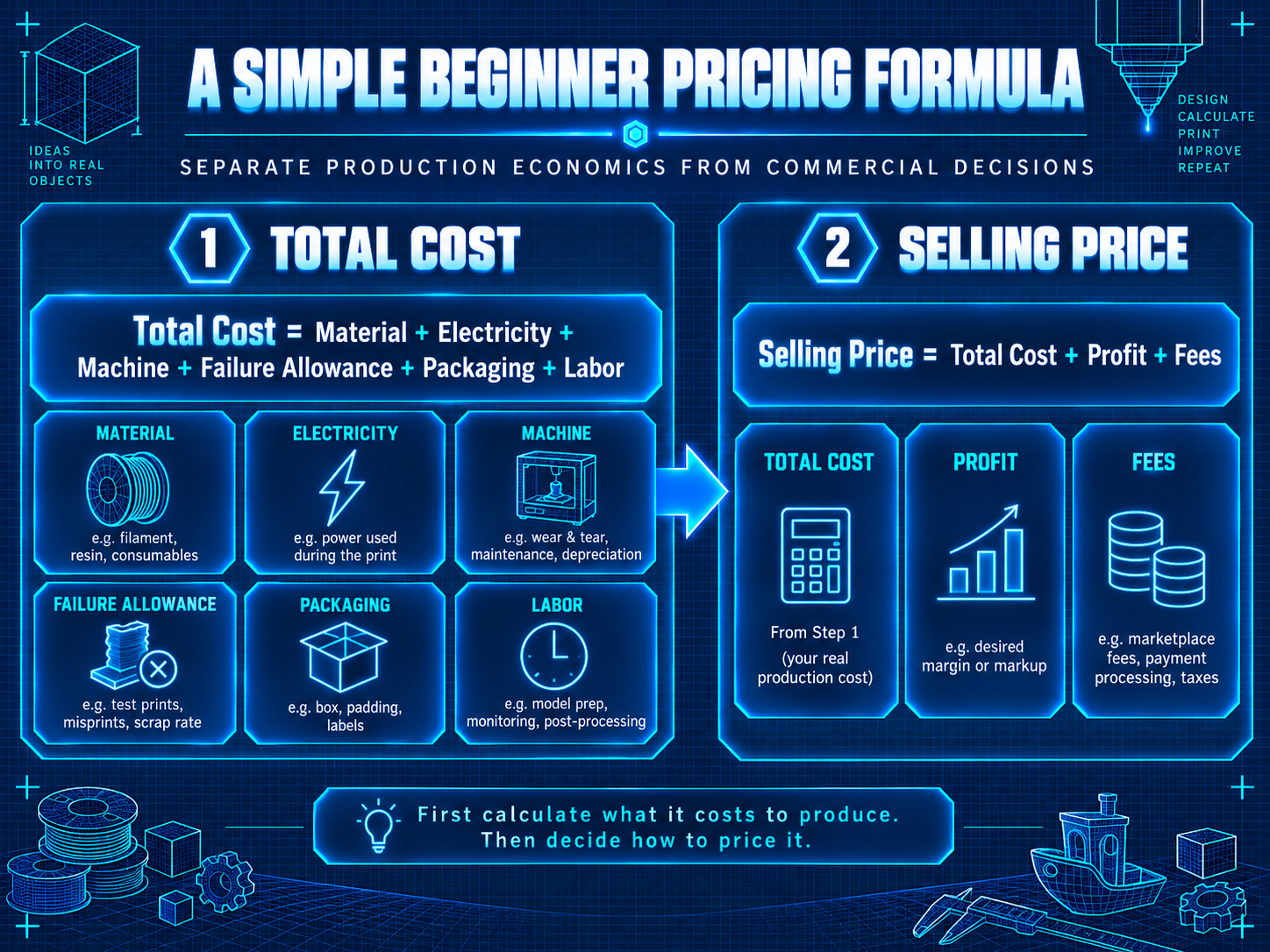
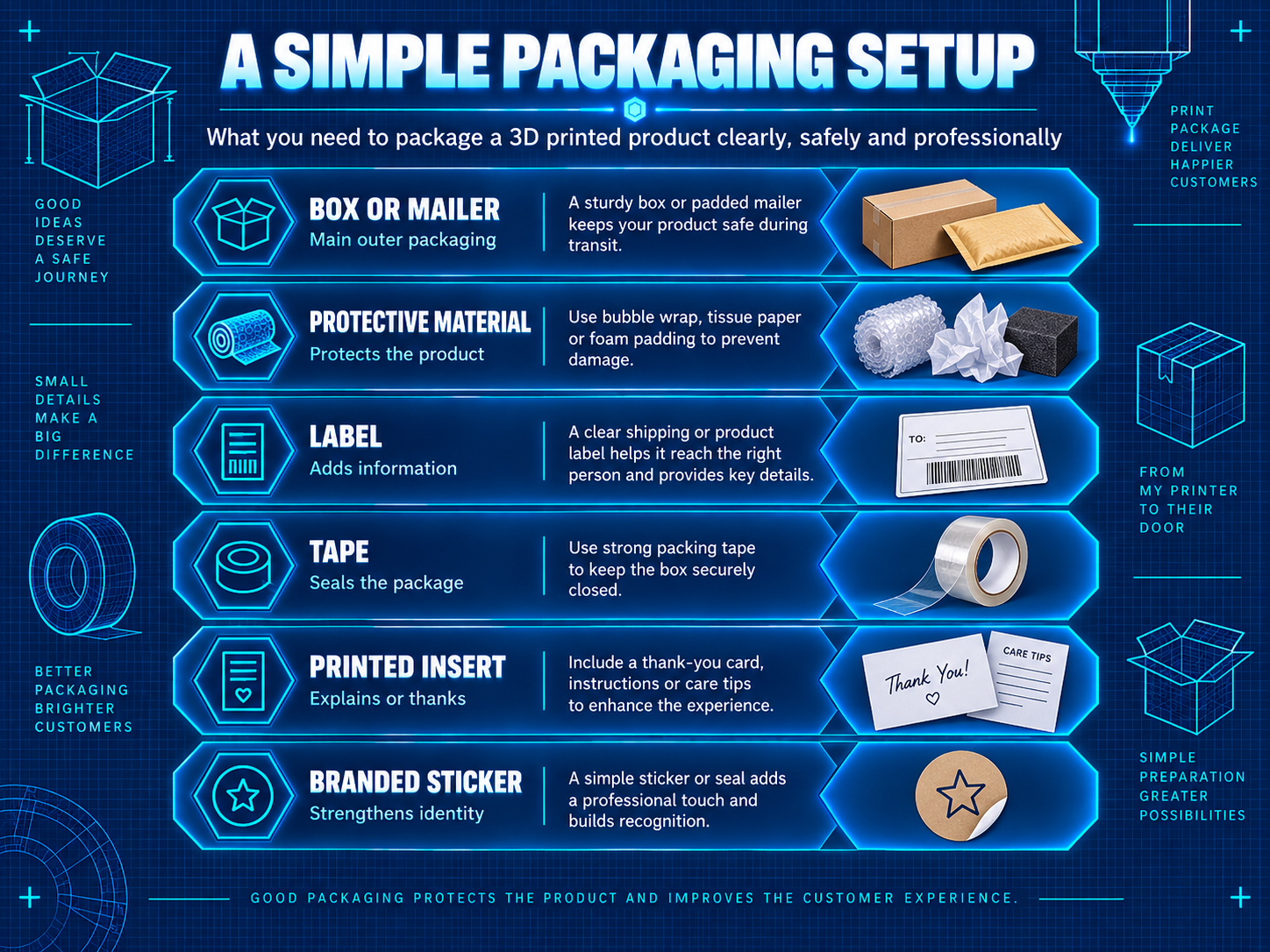
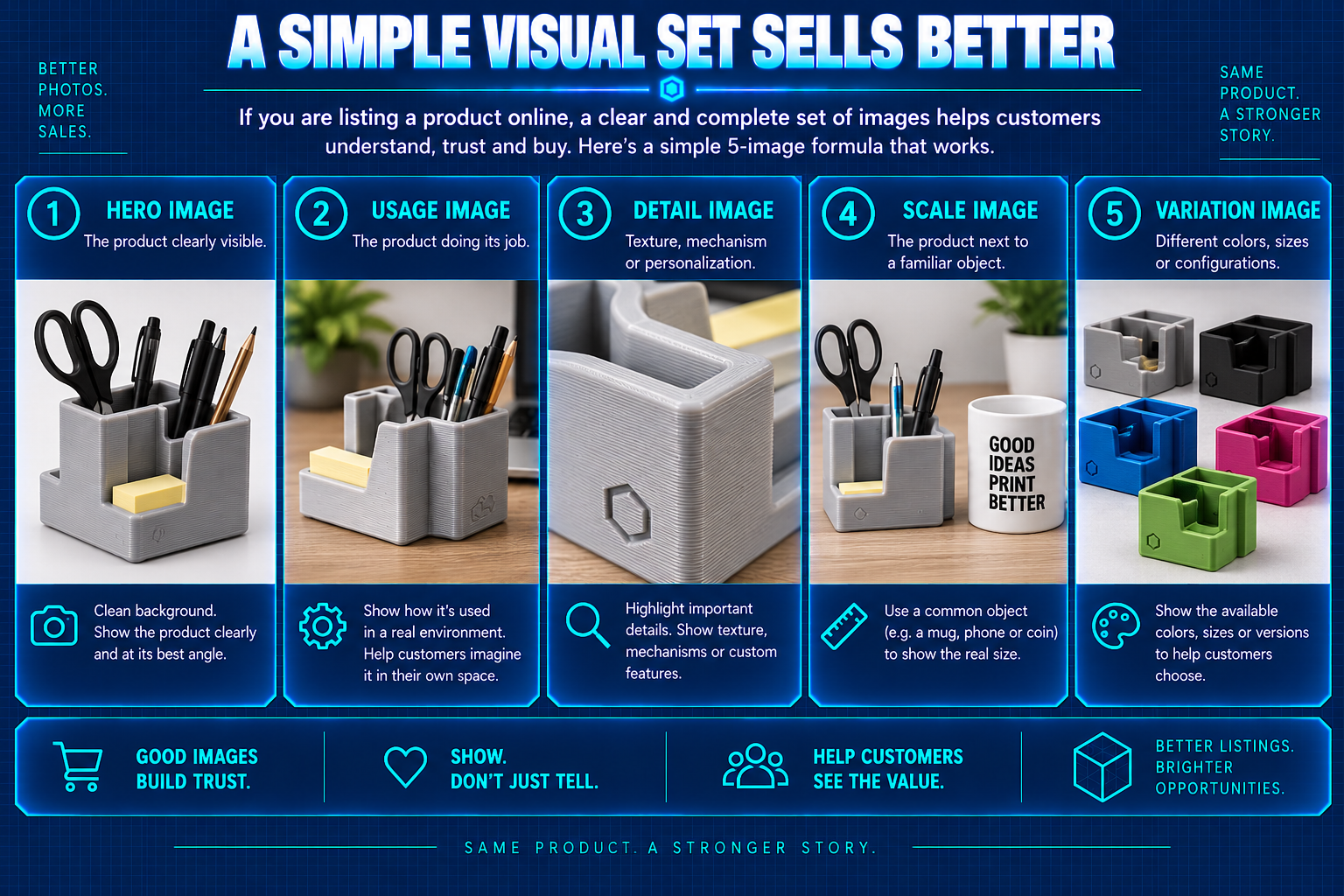
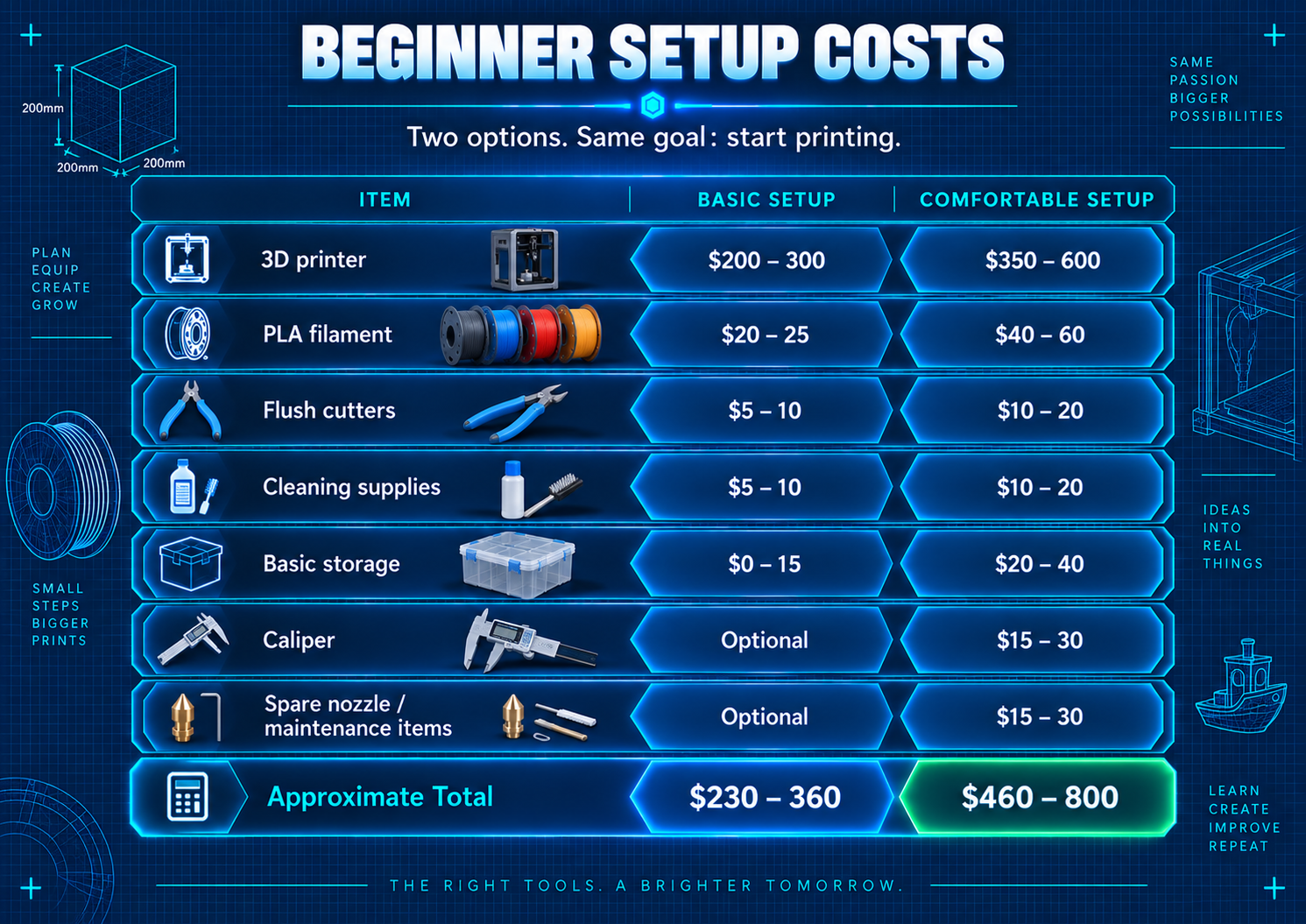
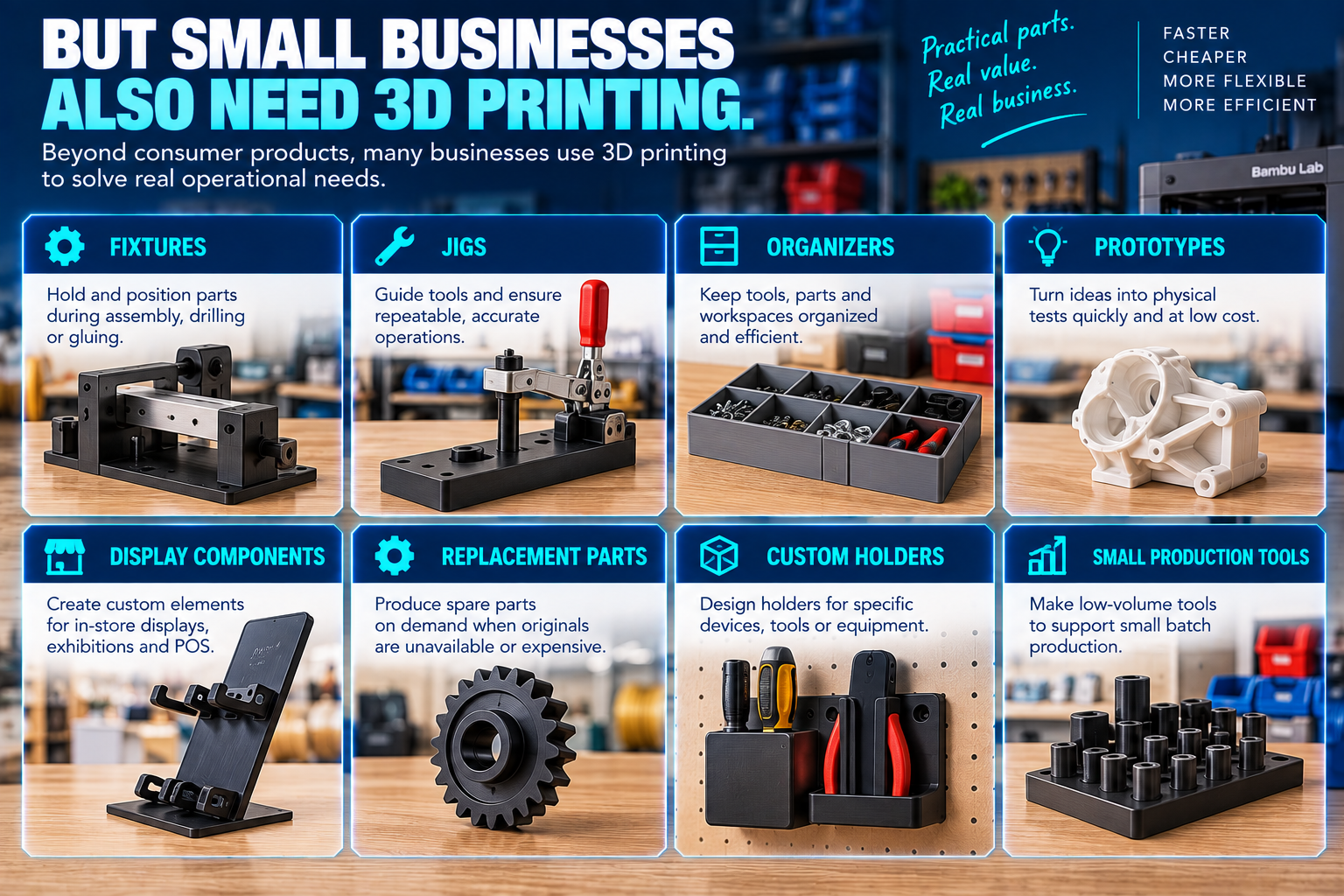
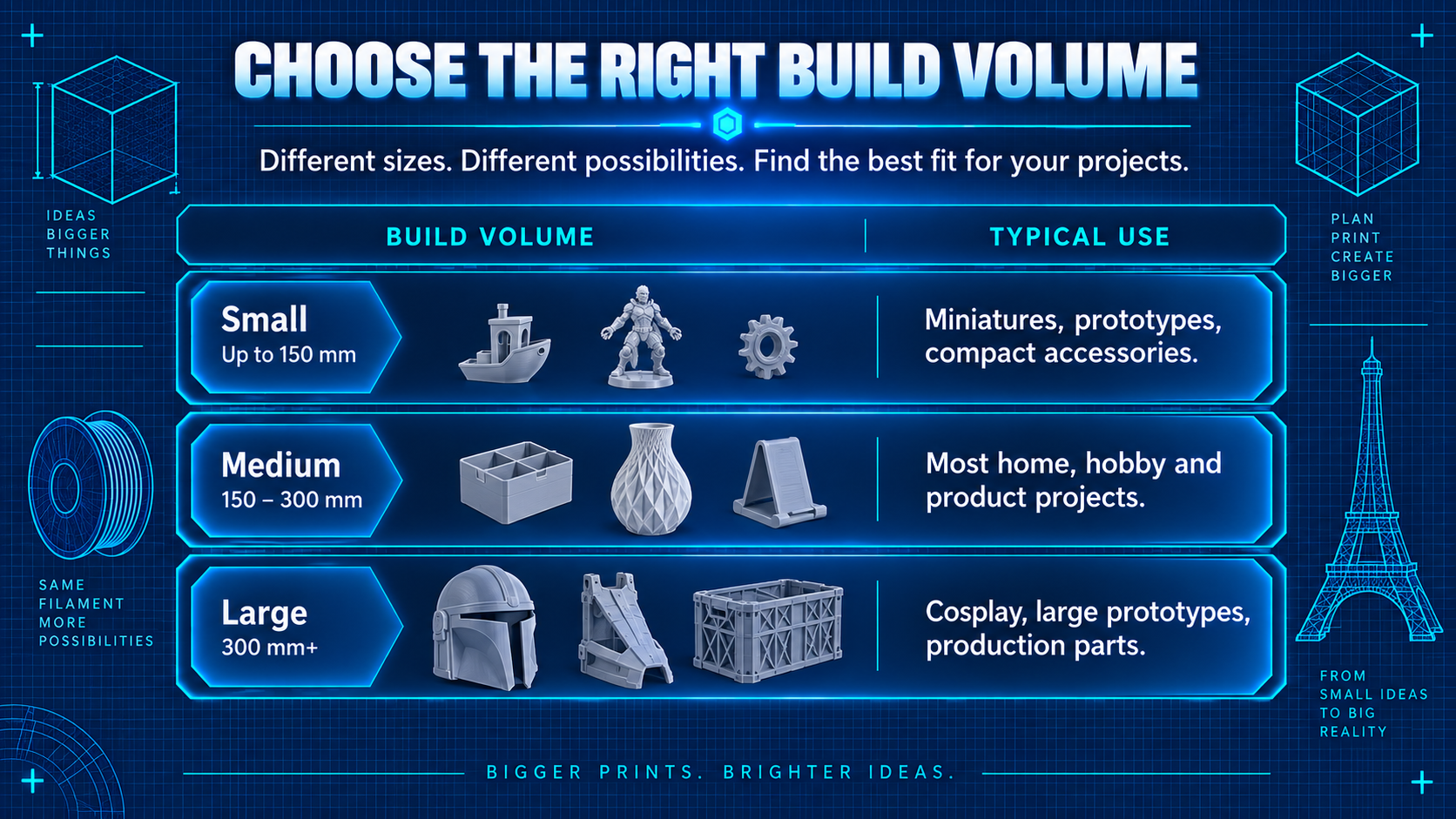
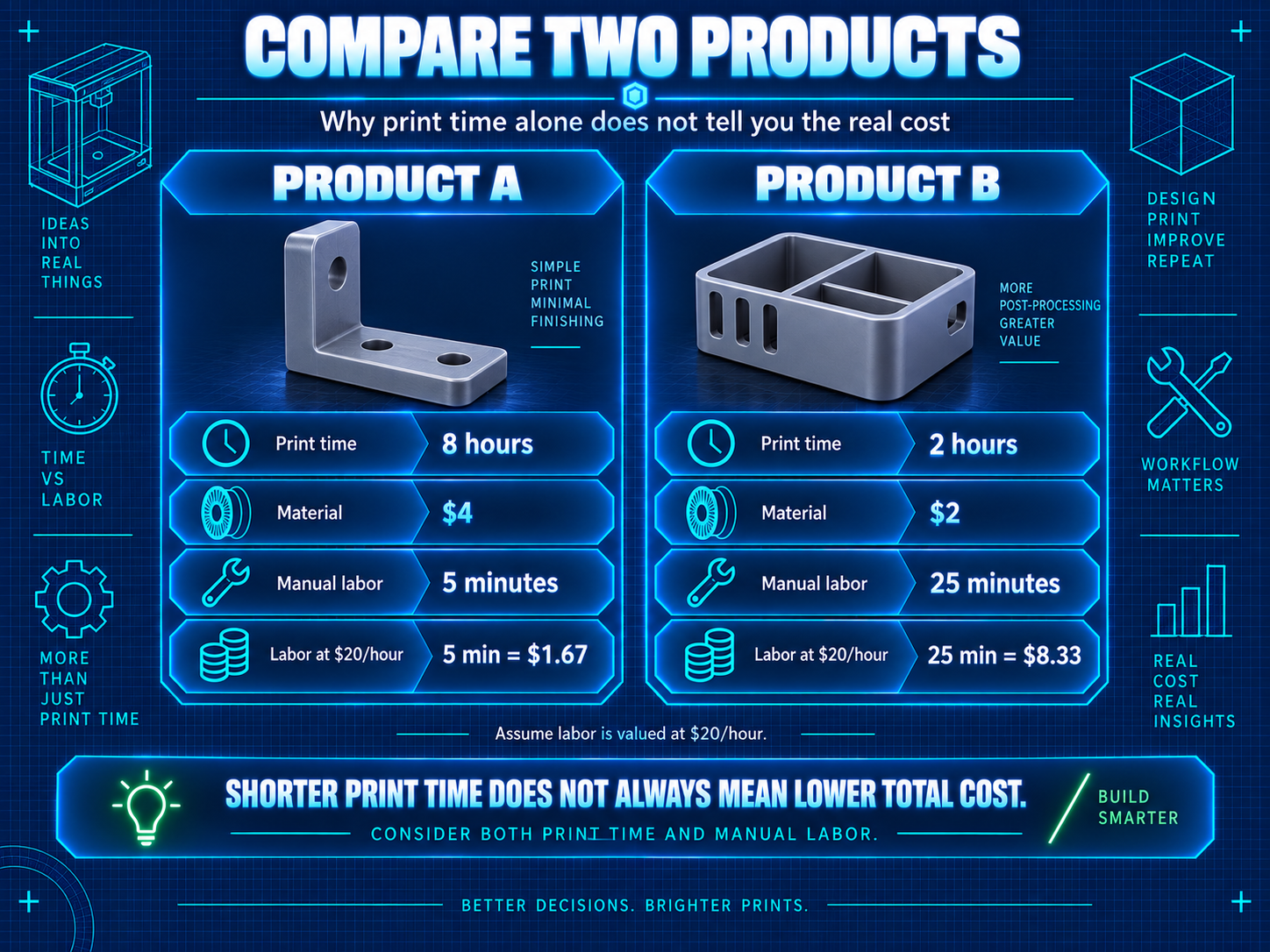
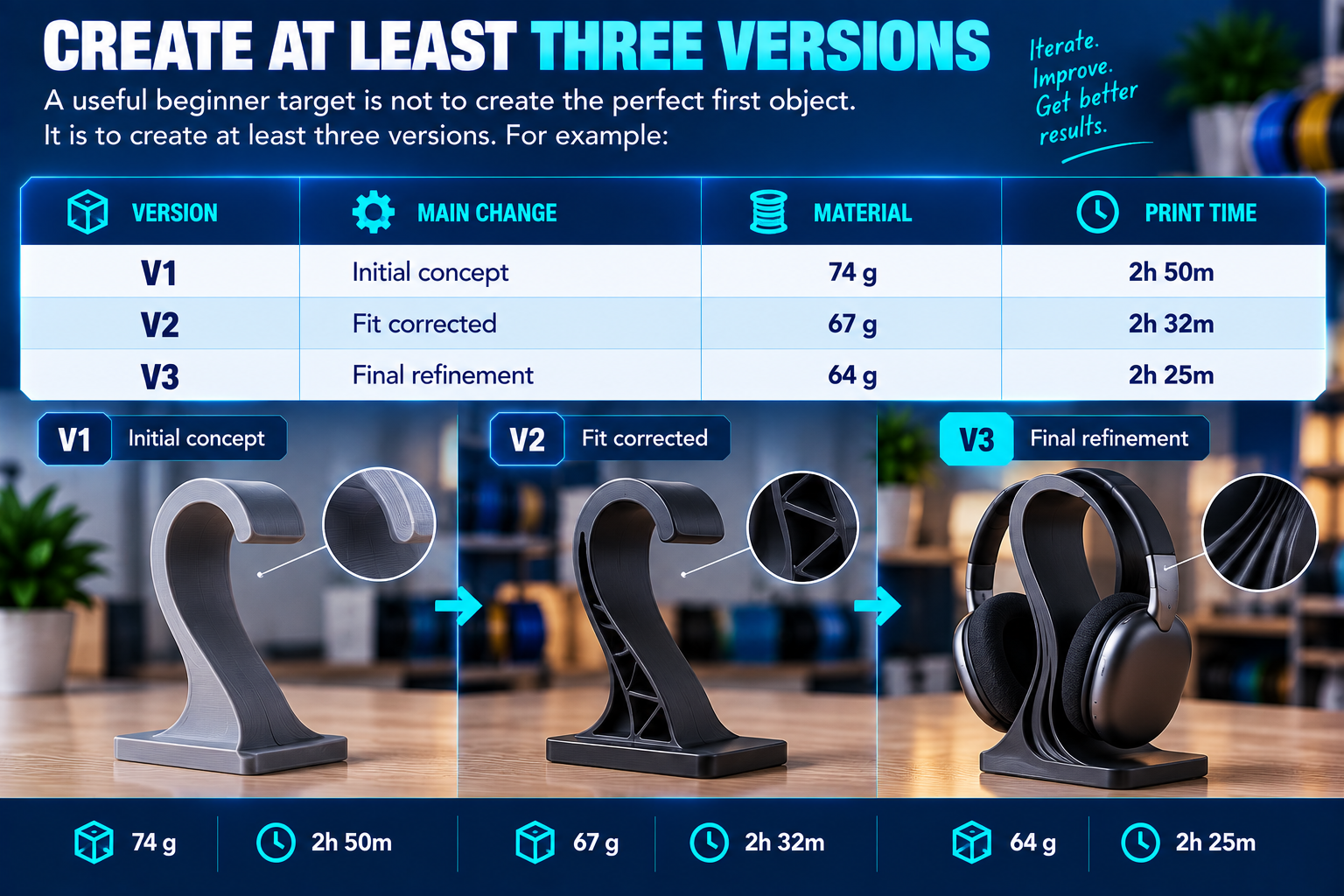
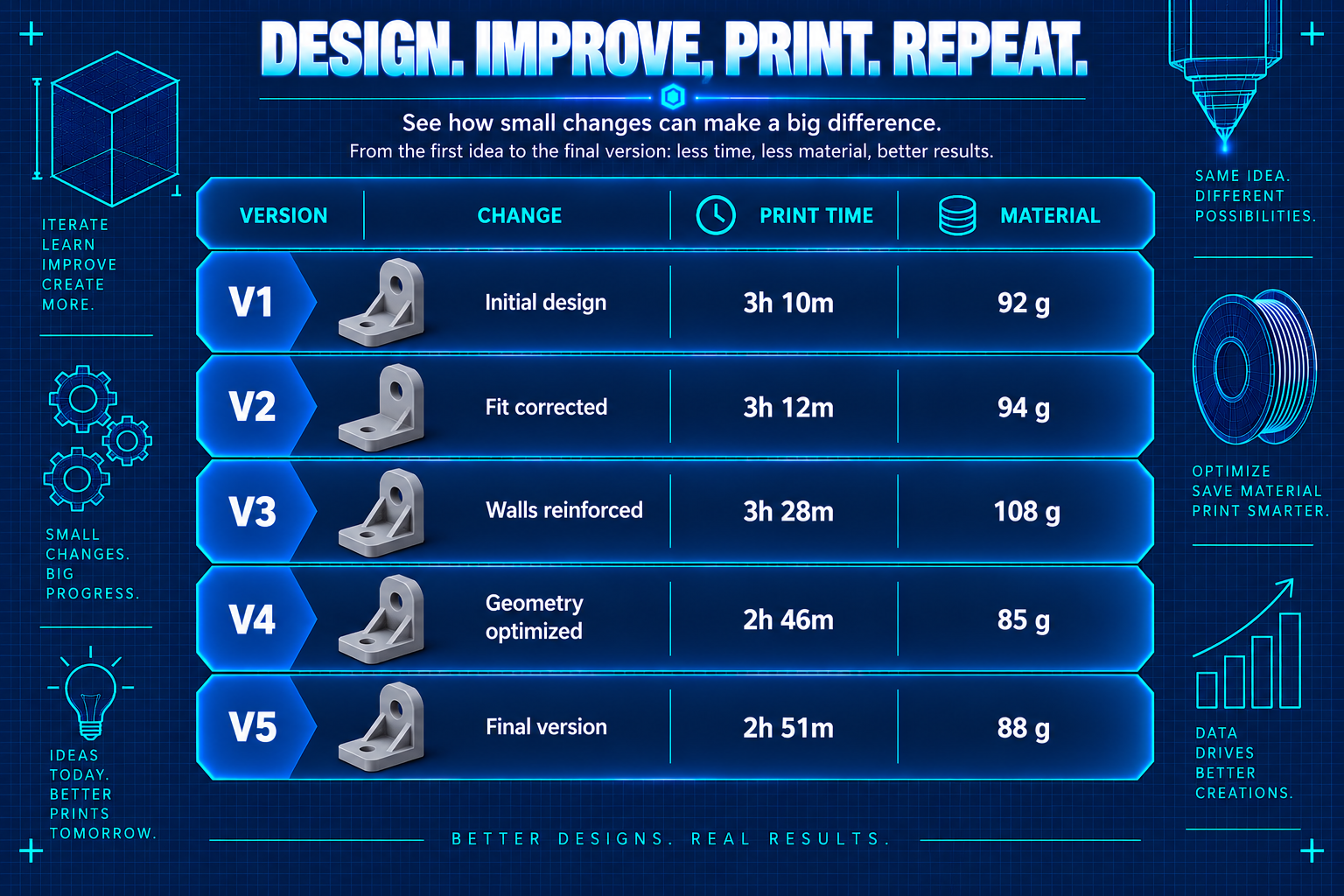
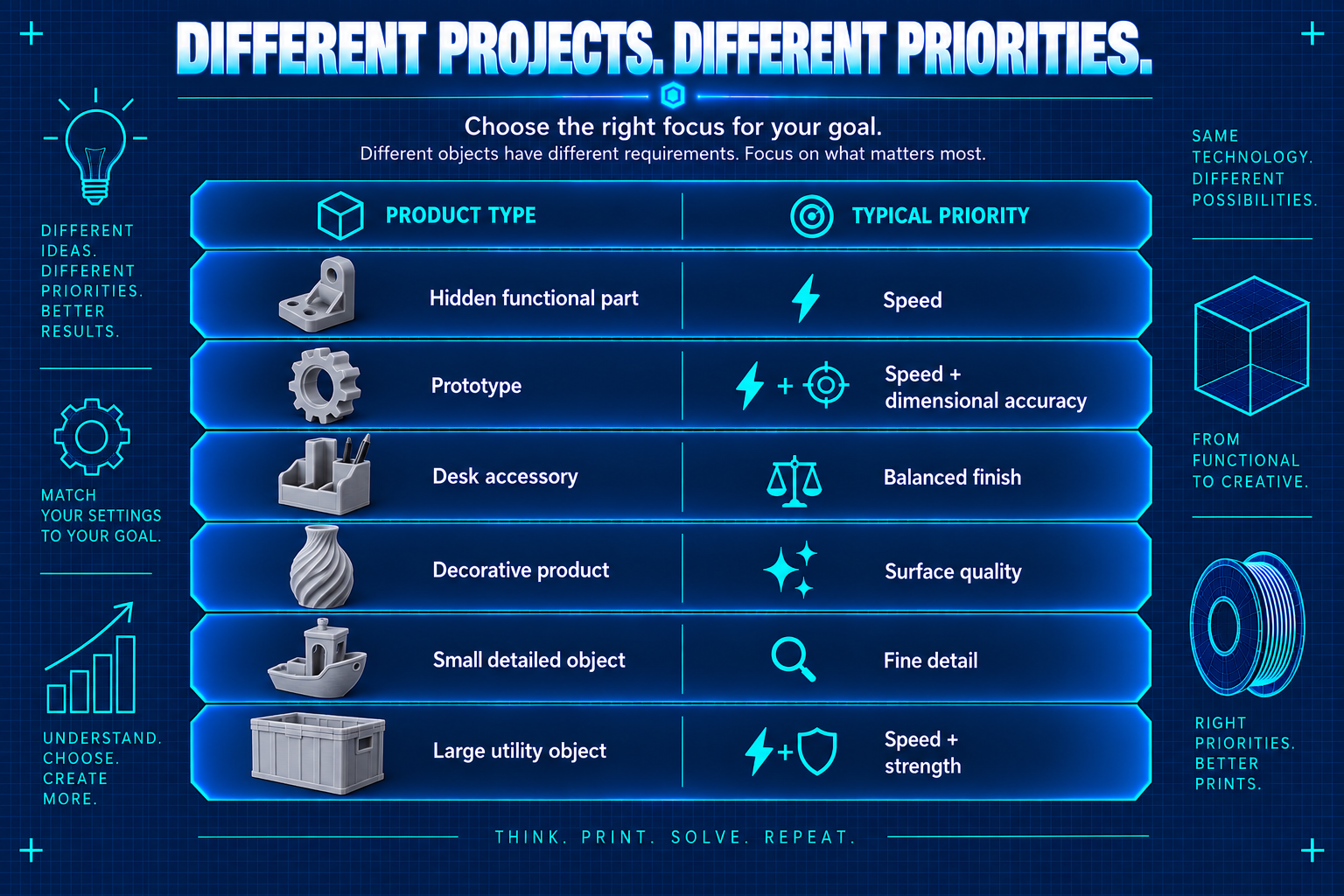
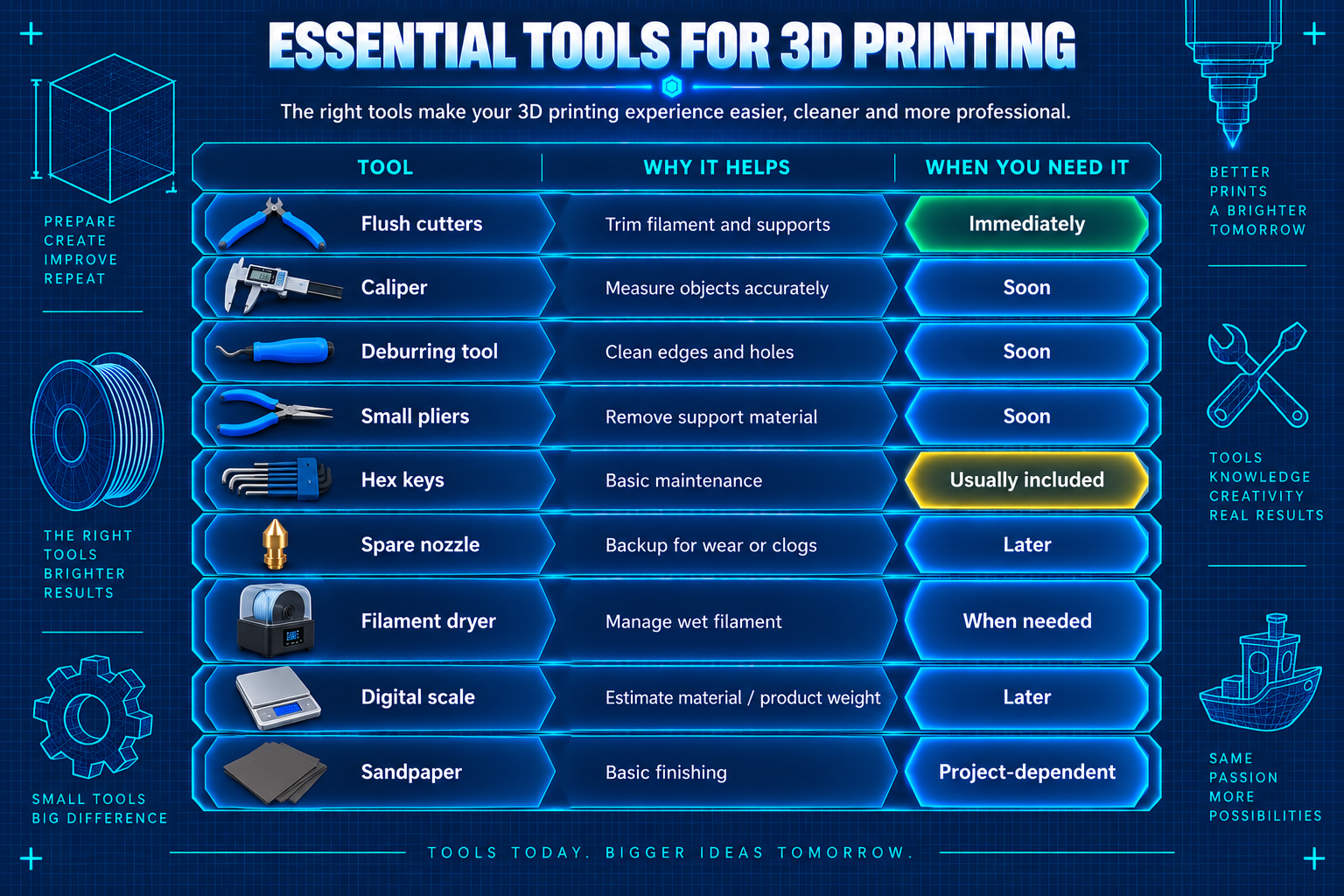
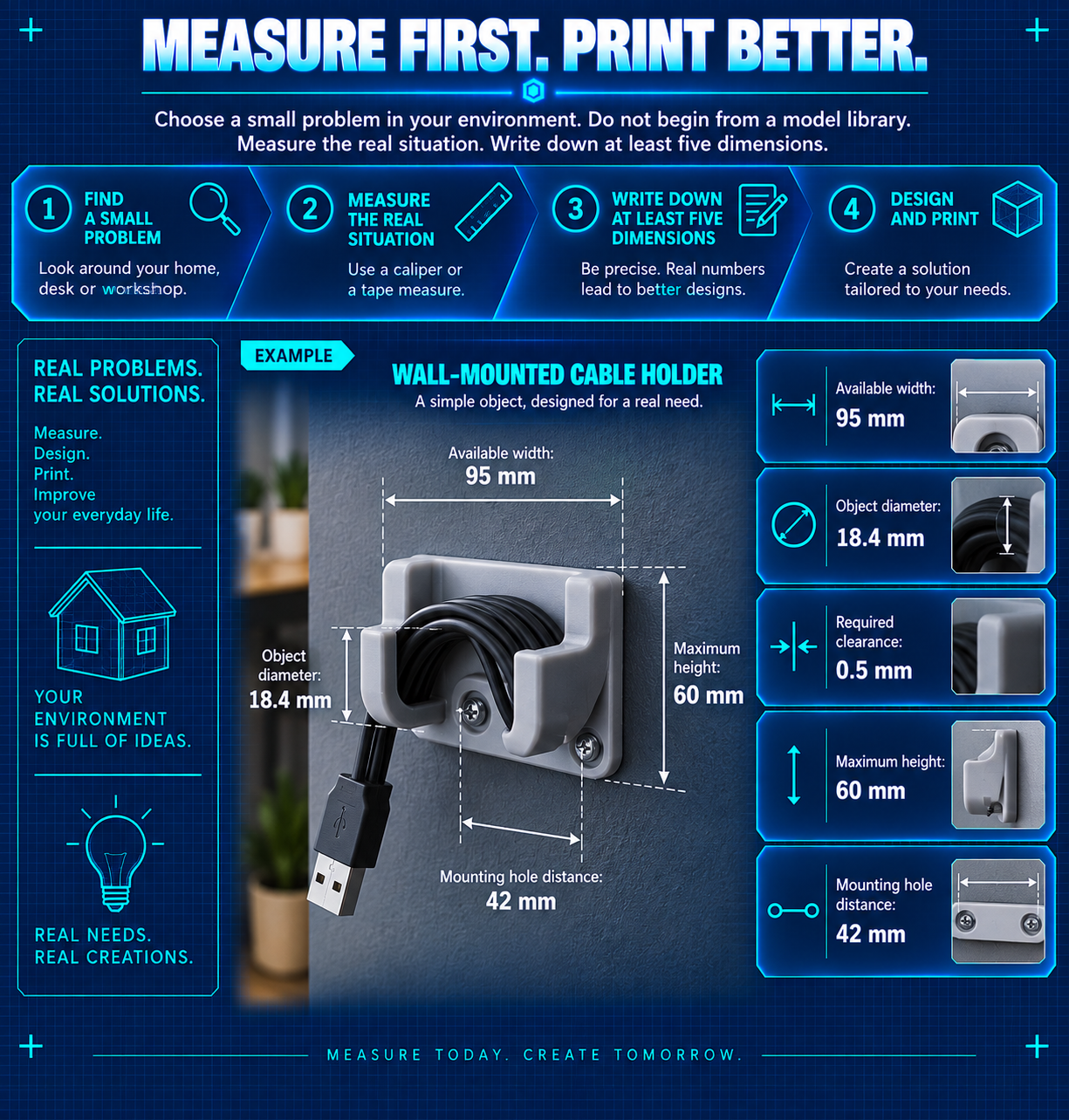
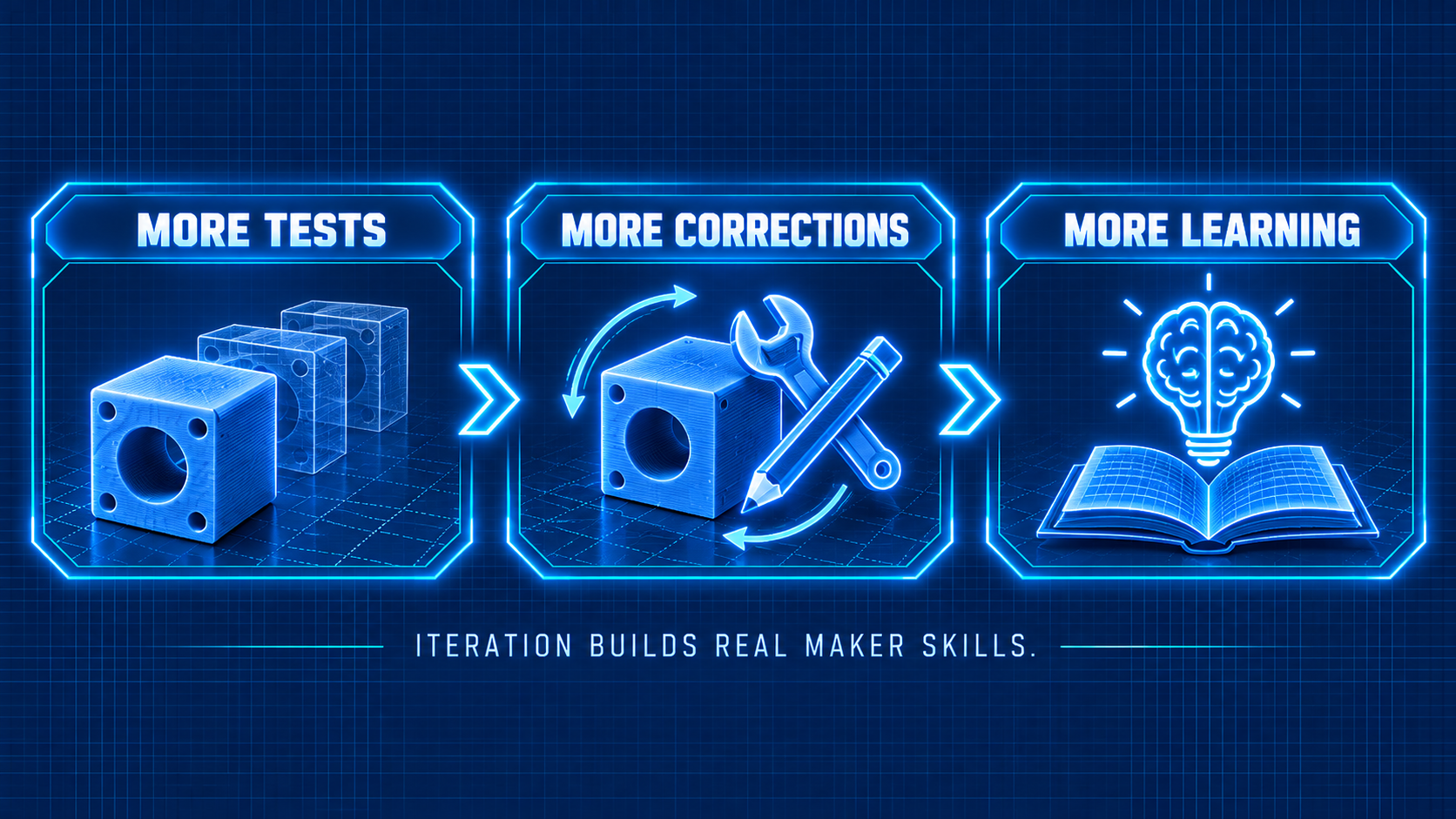
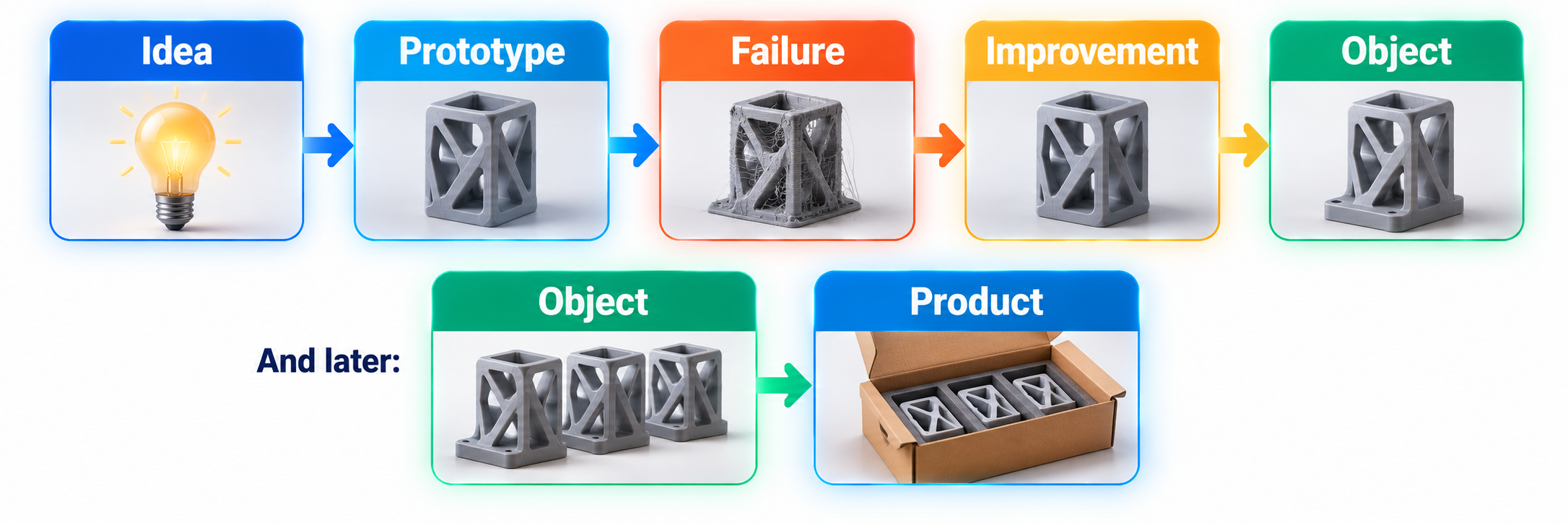
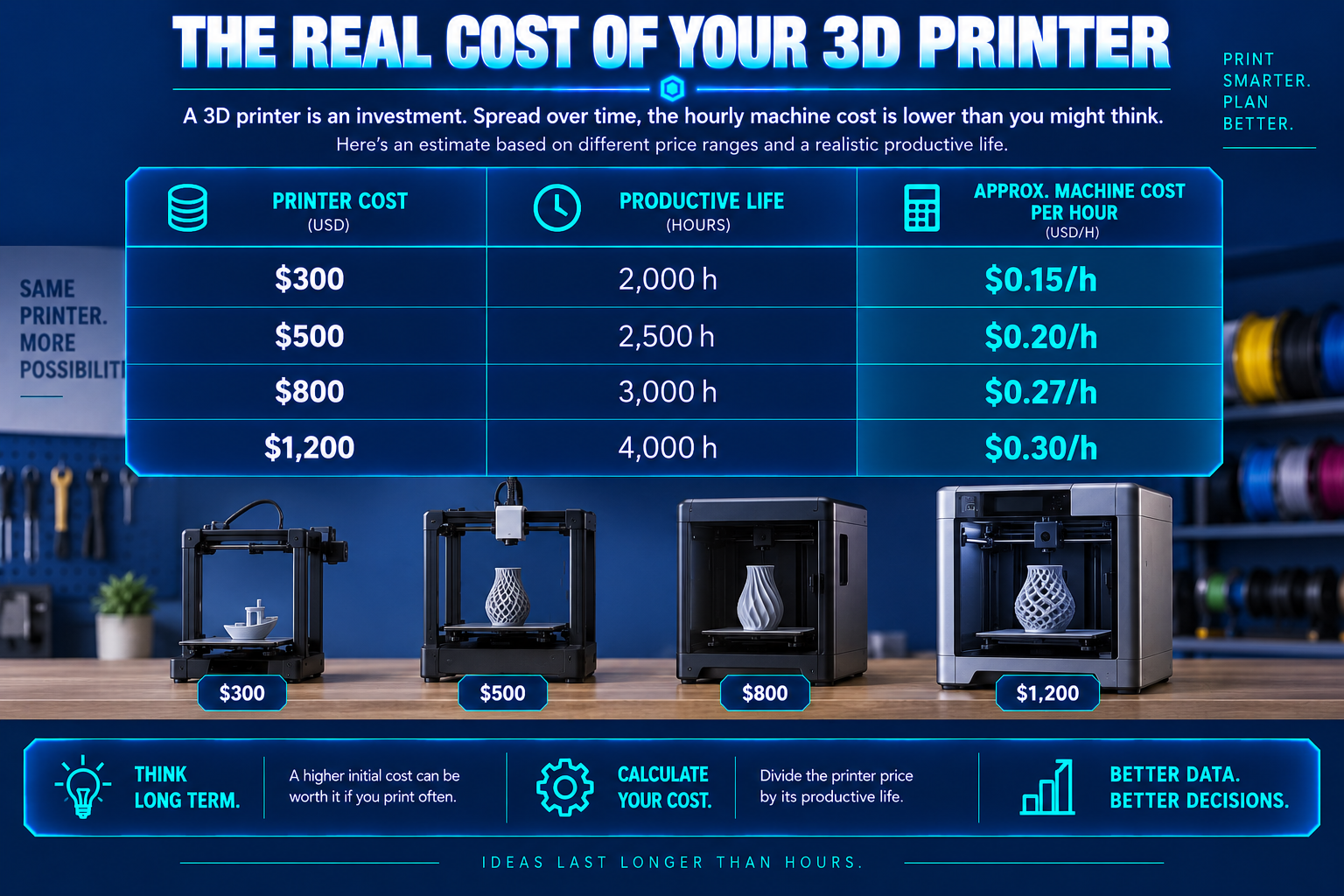
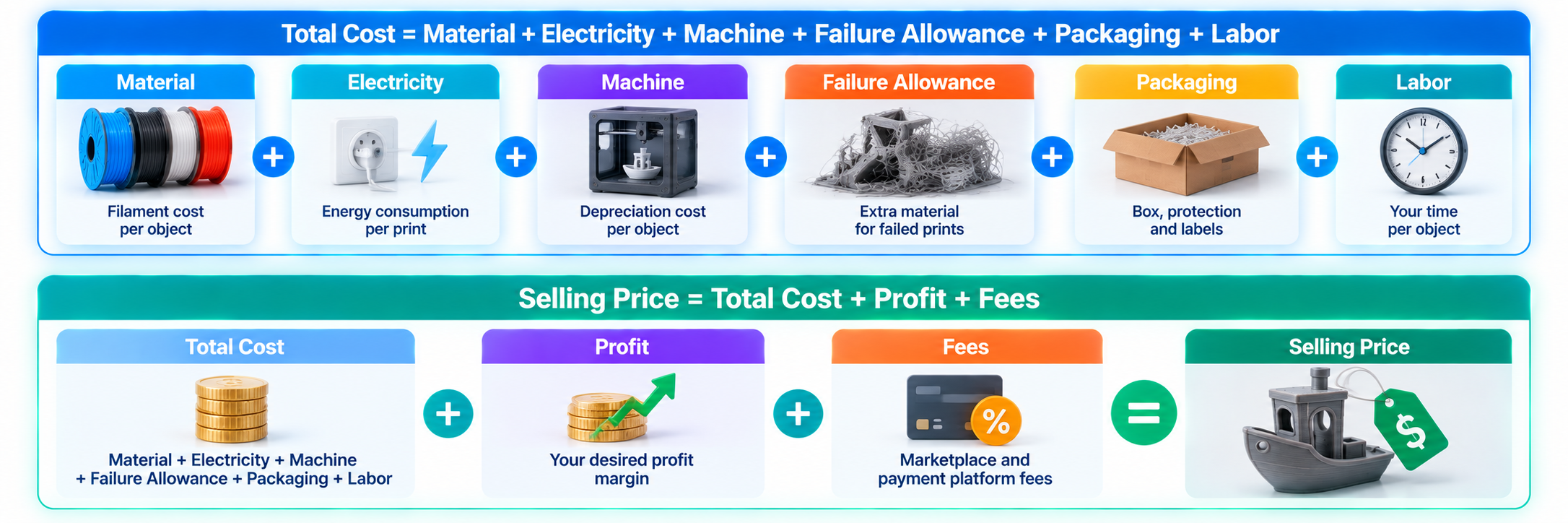
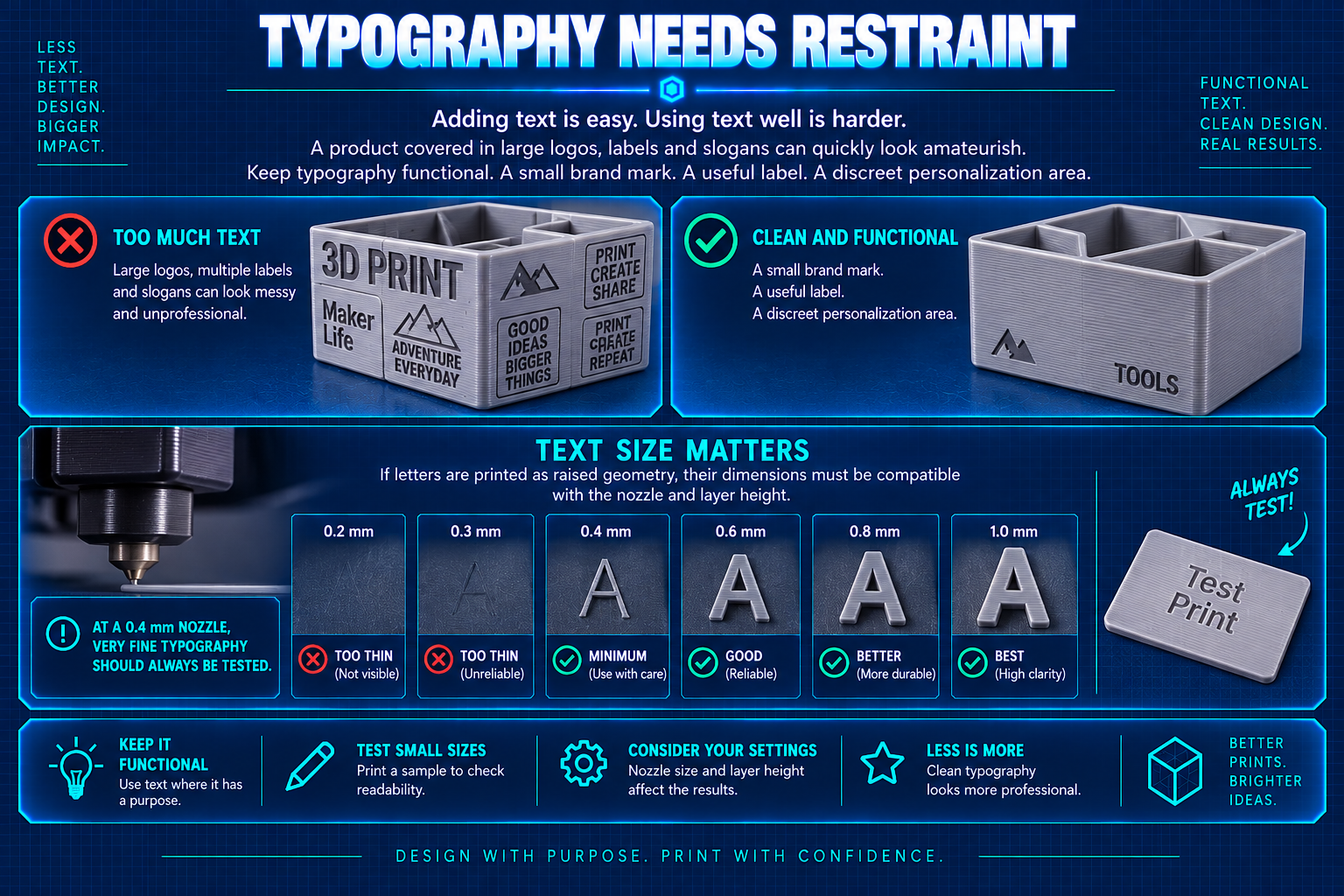
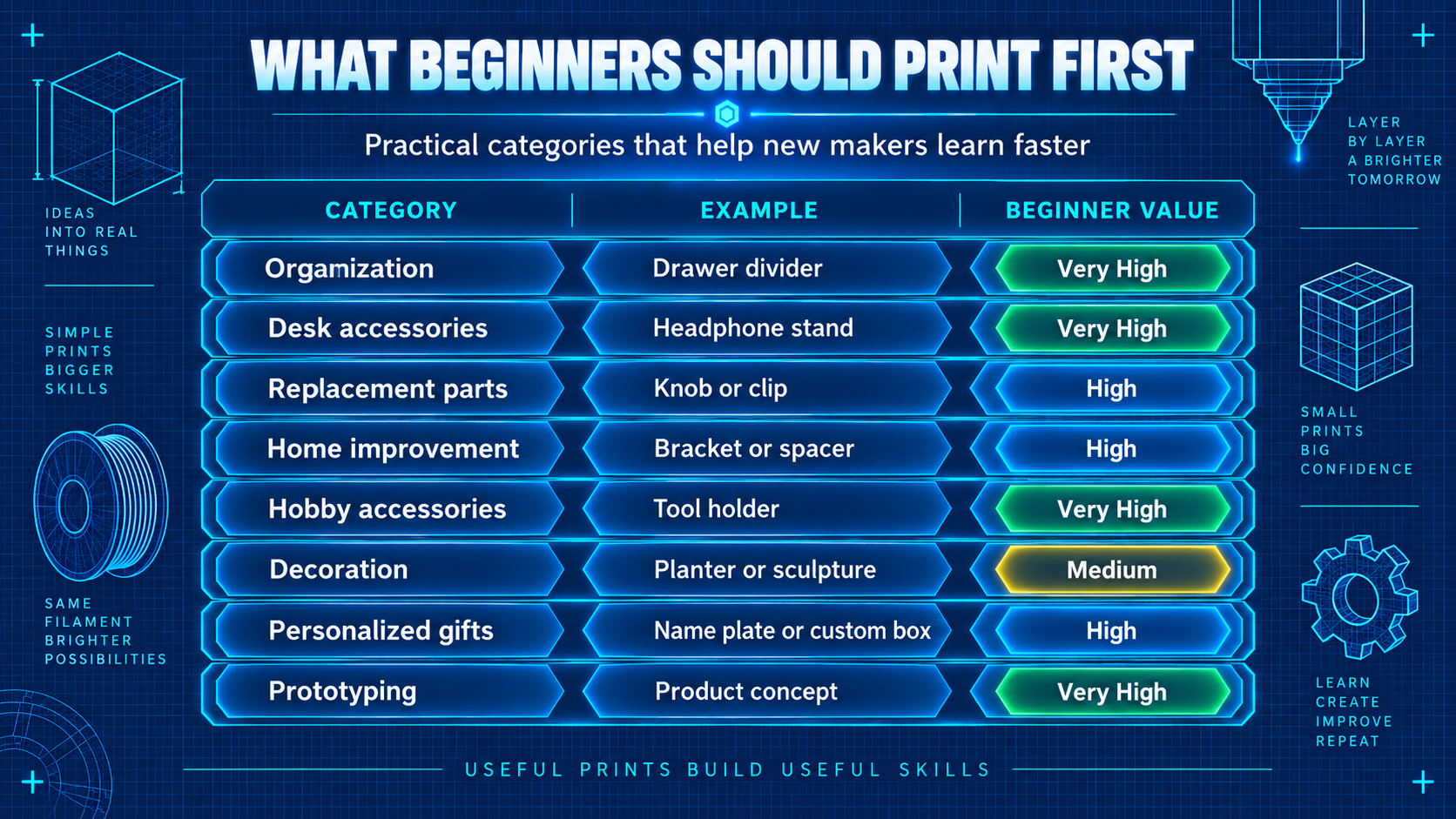
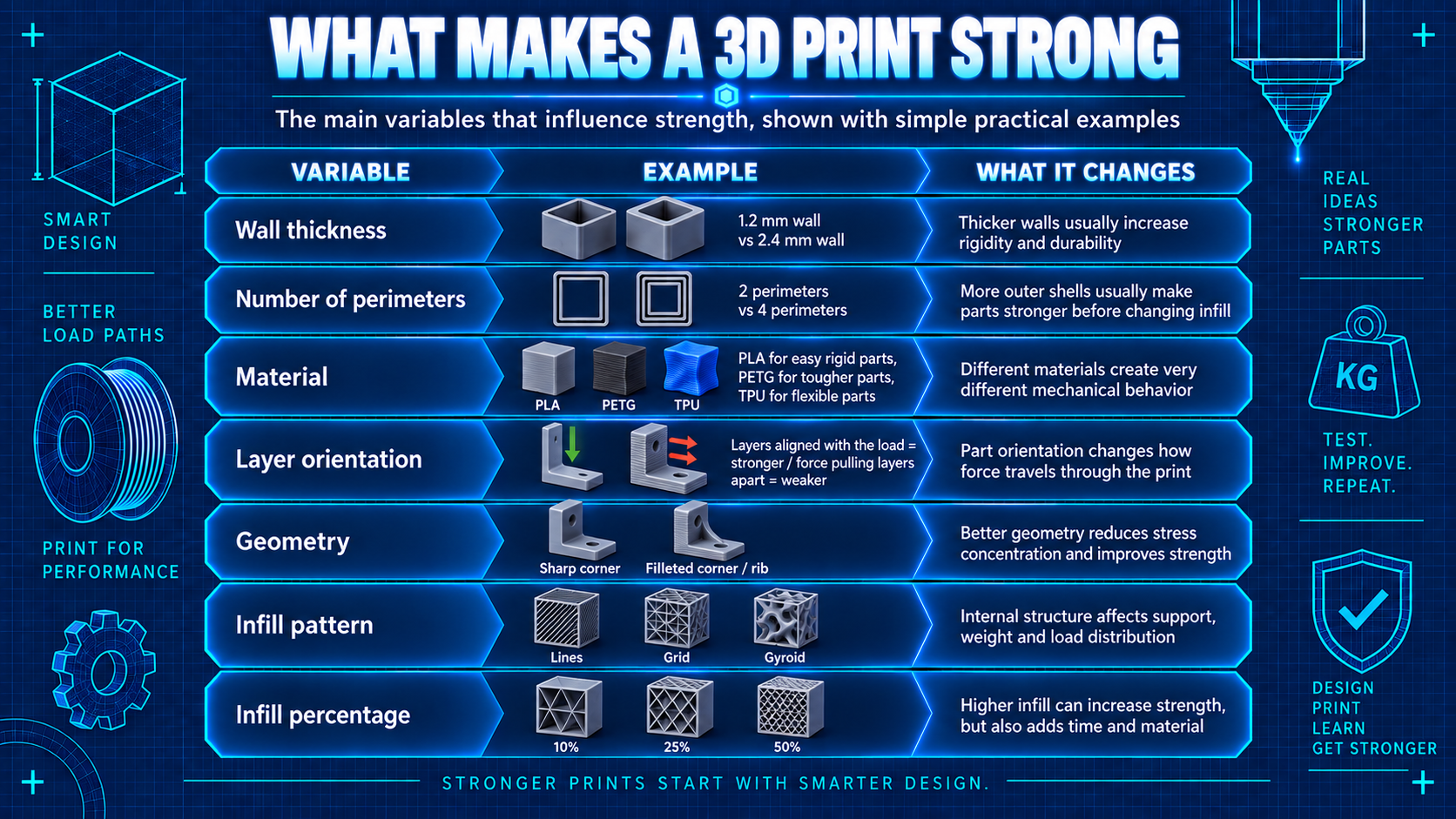
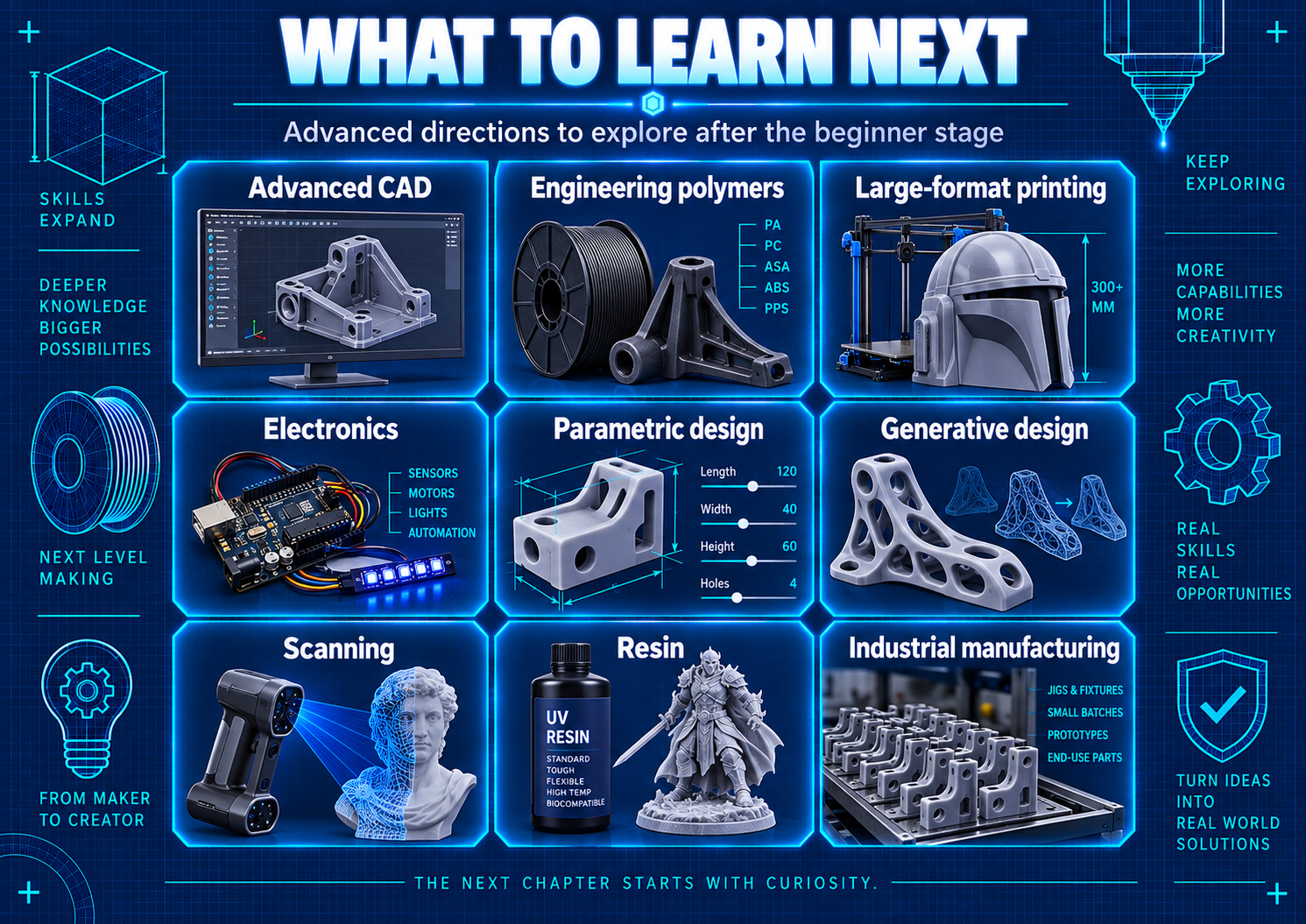
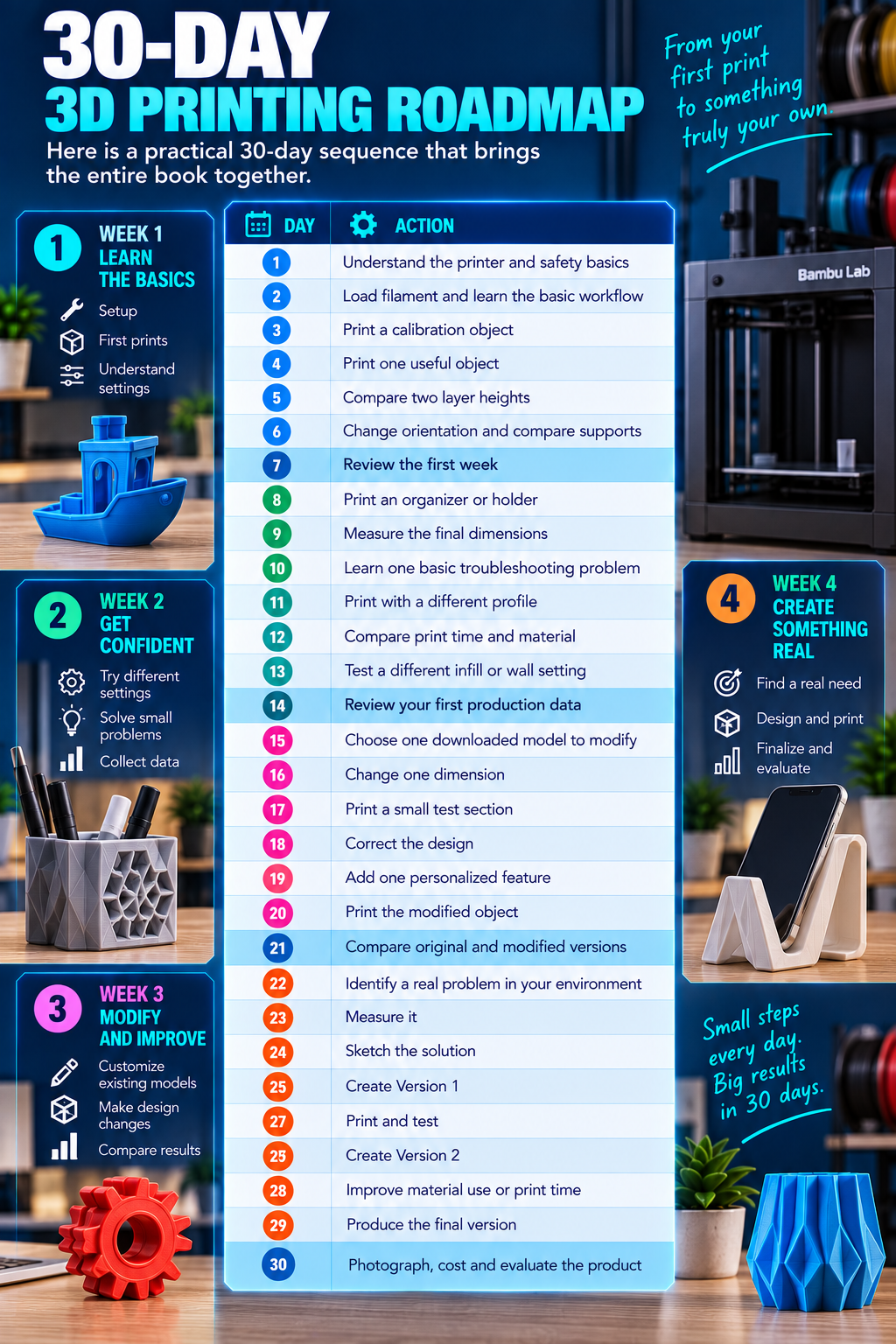
3D printing has never been easier to start: today, anyone can turn an idea into a real object. This book guides you step by step, from choos-ing your first 3D printer to creating your first useful and potentially sellable product. You will learn the essential technologies, materials, software, settings, and techniques without unnecessary complexity. With practical examples, visual guides, tables, and real projects, you will build the knowledge and confidence to move from your very first print to something truly your own.
Enjoy reading,
Lukas.